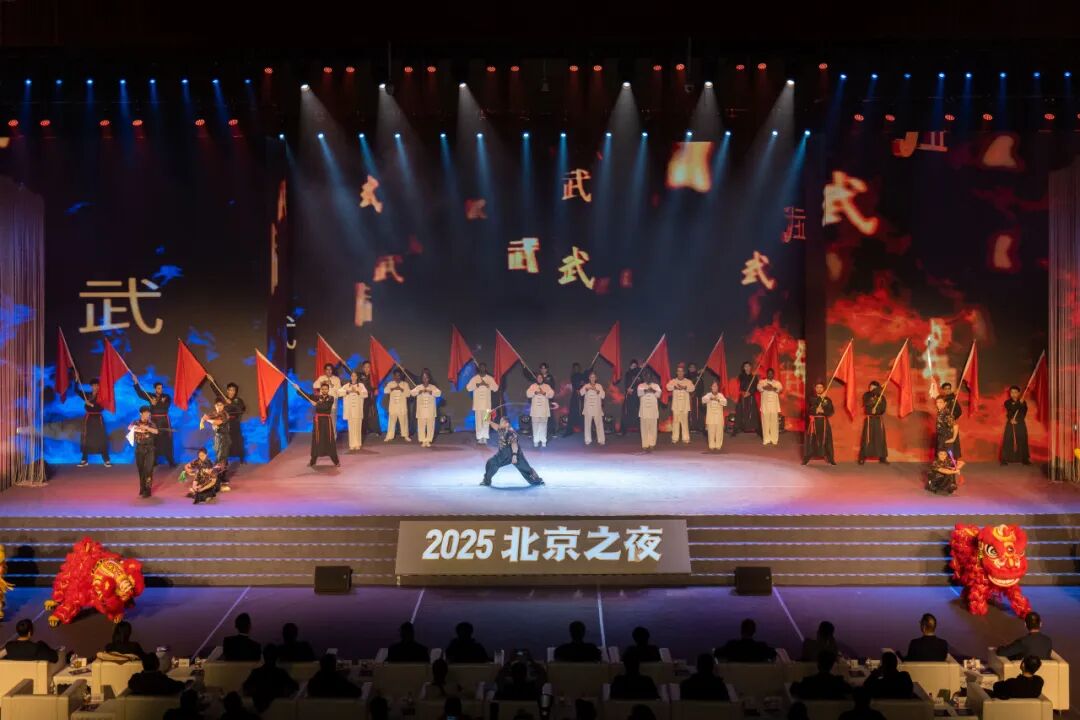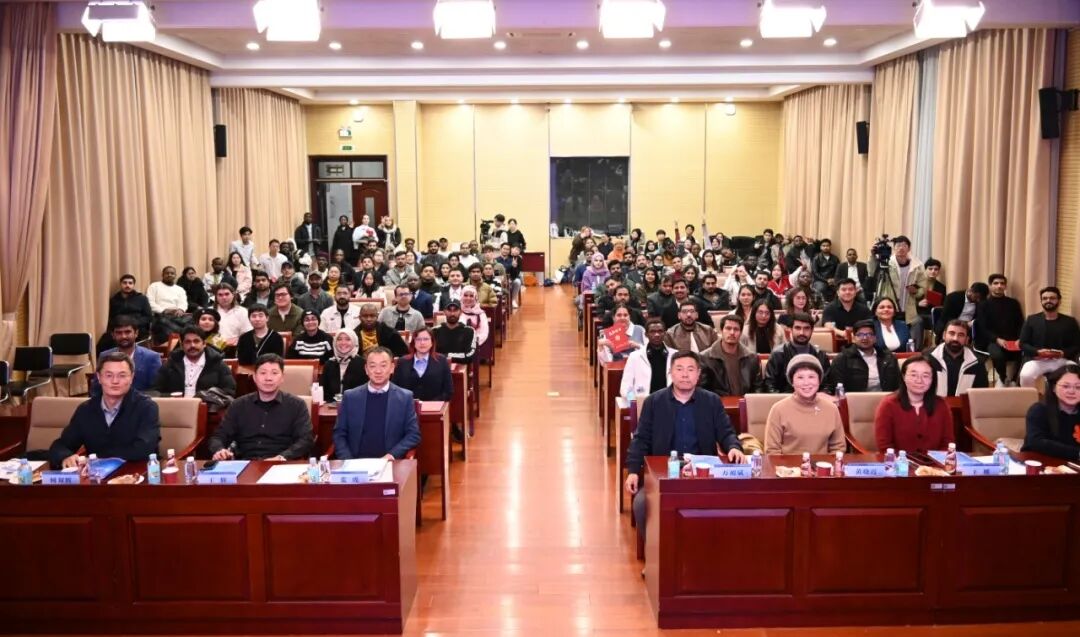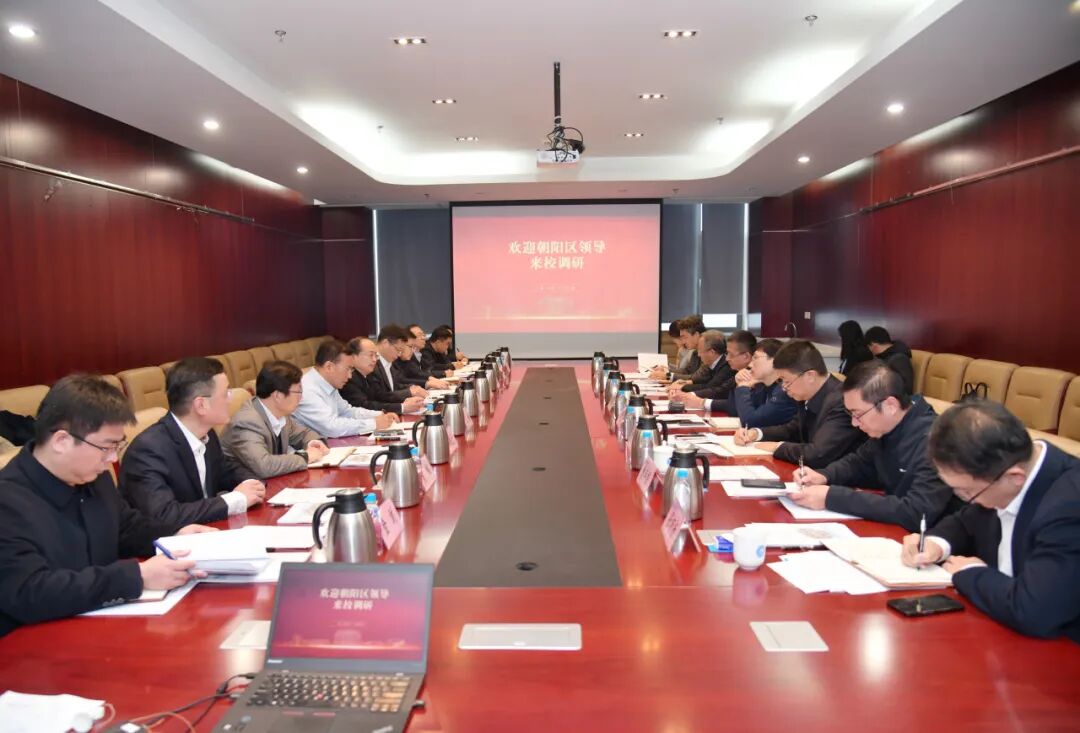
From October 17th to 18th, the 2025 Annual Meeting of the Global Regional Community of Countries Studies was held in Beijing. The annual meeting is hosted by Beijing Foreign Studies University, hosted by the Institute for Advanced Study of Regional and Global Governance in Beijing, co-organized by the Institute of Regional and Country Studies of Peking University, and supported by the United Nations system in China. The theme of the conference was "Global Governance for the Future: The Future Compact and 'Harmony and Good Governance'", with the participation of more than 200 well-known experts and scholars from more than 40 countries and regions.
Zhao Jing, Deputy Director of the Research Office of the Foreign Liaison Department of the CPC Central Committee, Irina Bokova, winner of the Chinese Government Friendship Award, former Director-General of UNESCO, and Honorary Director of the Center for the Study of the United Nations and International Organizations in North Foreign Countries, Adam Day, Director of the Geneva Center for Policy Studies of the United Nations University, Zhai Kun, Professor of the School of International Relations of Peking University, Vice President of the Institute of Regional and Country Studies, and Vice President of the China Association for Southeast Asian Studies, and Jia Wenjian, President of the School of International Relations of Peking University, Deputy Secretary of the Party Committee and Secretary-General of the Global Regional Community of Country Studies Jia Dezhong, deputy secretary of the party committee, Zhao Gang, member of the Standing Committee of the party committee and vice president, attended the meeting. Leaders and academic colleagues from more than 40 domestic and foreign universities and academic circles from Tsinghua University, Peking University, Renmin University of China, Fudan University, China University of Political Science and Law, Nanjing University, Princeton University, SOAS School of the University of London, University of Bonn, Ghent University, University of Dhaka, University of San Diego, etc. attended the meeting online and offline. The opening ceremony of the annual meeting was presided over by Zhao Gang.
Zhao Jing said in her speech that she hoped that experts would provide insights on bridging the global governance deficit and exploring the value and practical path of the "harmony" concept of the times.
In a video speech, UN Resident Coordinator Chang Qide called on all parties to jointly build a knowledge-driven multilateral future with clear accountability based on the criterion of "listening, connecting, and implementing".
Jia Wenjian said that China's global governance initiative and the concept of "harmony and good governance" proposed by Chinese scholars have injected oriental wisdom into global governance.
Irina Bokova delivered a keynote speech entitled "Global Governance Initiative and Global Competence". She mentioned that at a time when the international community is facing multiple challenges, it is necessary to firmly strengthen the construction of the United Nations multilateral system and make global competence the core of higher education to cultivate young talents who are good at adapting to world changes.
Zhai Kun delivered a keynote speech entitled "Global Governance from a Regional Country Perspective". He emphasized that China's regional country studies are based on comprehensive strategic research on specific countries and regions, and follow the trinity construction and development path of "disciplines, talents, and think tanks", aiming to cultivate compound talents and provide key talent support for global governance.
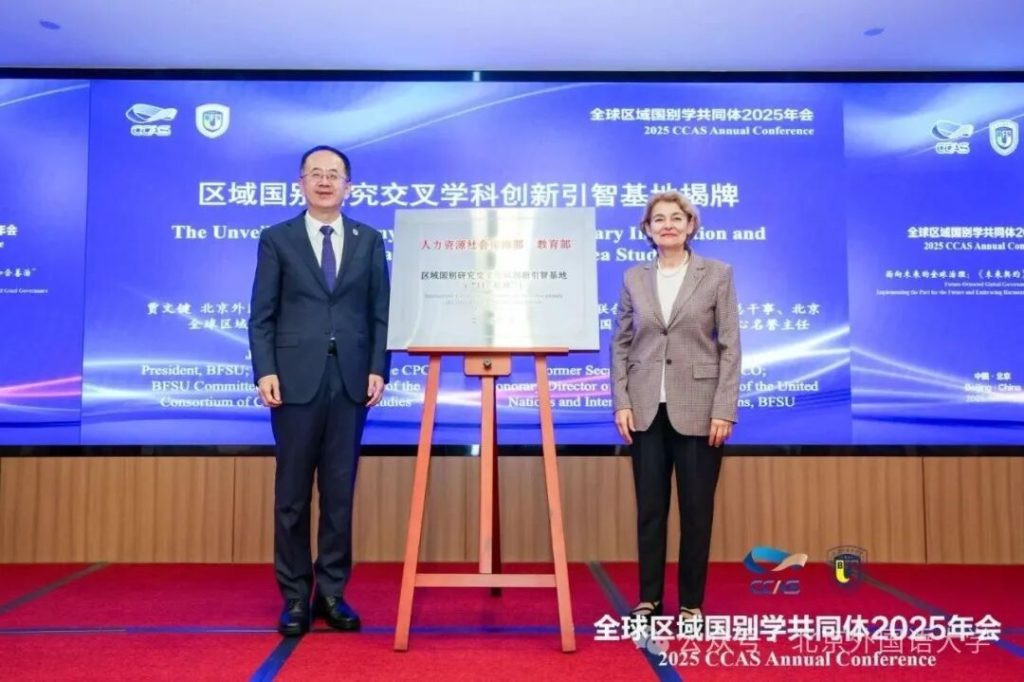
Jia Wenjian and Irina Bokova jointly unveiled the "Interdisciplinary Innovation and Intelligence Introduction Base for Regional Country Studies", and the three community construction achievements of the "University Implementation of the Future Contract", the BFSU-SOAS joint initiative on regional country studies, and the "Harmony and Good Governance" Young Scholars Network Initiative were released at the keynote forum of the annual meeting. The keynote speech session was presided over by Liu Tiewa, Secretary of the Party Branch and President of the Institute for Advanced Study of Regional and Global Governance. The results release session was presided over by Wang Zhanpeng, Executive Vice President of the Institute for Advanced Study of Regional and Global Governance.
The annual meeting has six parallel sub-forums.
The first sub-forum was themed "Four Initiatives and the Governance Path of the Future Compact", and conducted in-depth discussions on the four global initiatives and the construction of a community with a shared future for mankind.
The second sub-forum was themed "Construction of Regional Country Studies Discipline System", focusing on the two themes of "journal empowerment" and "integration and innovation", and Zhao Gang delivered a welcome speech for the sub-forum.
The third sub-forum was themed "Bandung Spirit and Global South Unity", closely following the core of "Bandung Spirit Inheritance", and was divided into three sections: South Asian issues, Southeast Asian studies, and African and Latin American issues.
The fourth sub-forum was themed "The Responsibility of Great Powers in the Era of Multipolarization". The U.S. show revolves around "Where is America going?" and "Sino-US relations and directions since Trump 2.0". The European session focused on topics such as multipolar pattern, rational cognition and benign interaction.
With the theme of "Party Politics and Global Governance Innovation", the fifth sub-forum focused on topics such as the pattern of world political parties and the trend of global governance, the logic of political party-driven systems and national social governance innovation, and the functional innovation of political parties in international cooperation.
Liang Zongzheng, Vice President of the Institute for Advanced Study of Regional and Global Governance in Beijing, delivered a keynote speech on the topic of "Four Initiatives and the Governance Path of the Future Compact". After the report, Cui Yujing, deputy secretary of the Party branch of the Institute for Advanced Study of Regional and Global Governance, presented awards to the award-winning papers of the forum.
Leaders of relevant government departments, teachers and students from colleges and universities attended the conference. On October 18, the forum closed, and Professor Wang Zhanpeng delivered a speech at the closing ceremony. Chinese and foreign experts and scholars at the meeting unanimously said that the global regional country studies community should adapt to the development of the times, aim at cutting-edge issues, and jointly promote the forward-looking development of regional country studies disciplines.