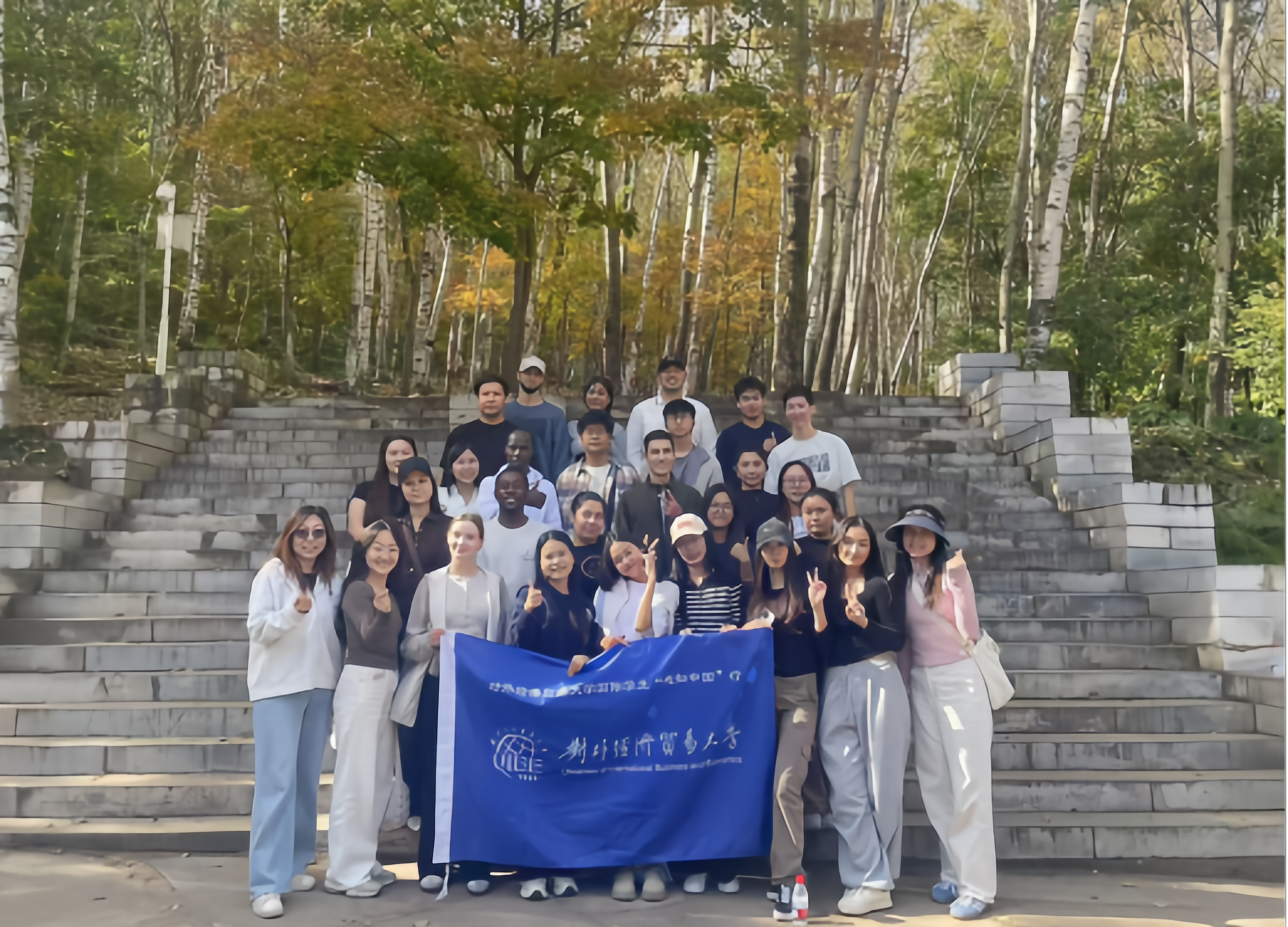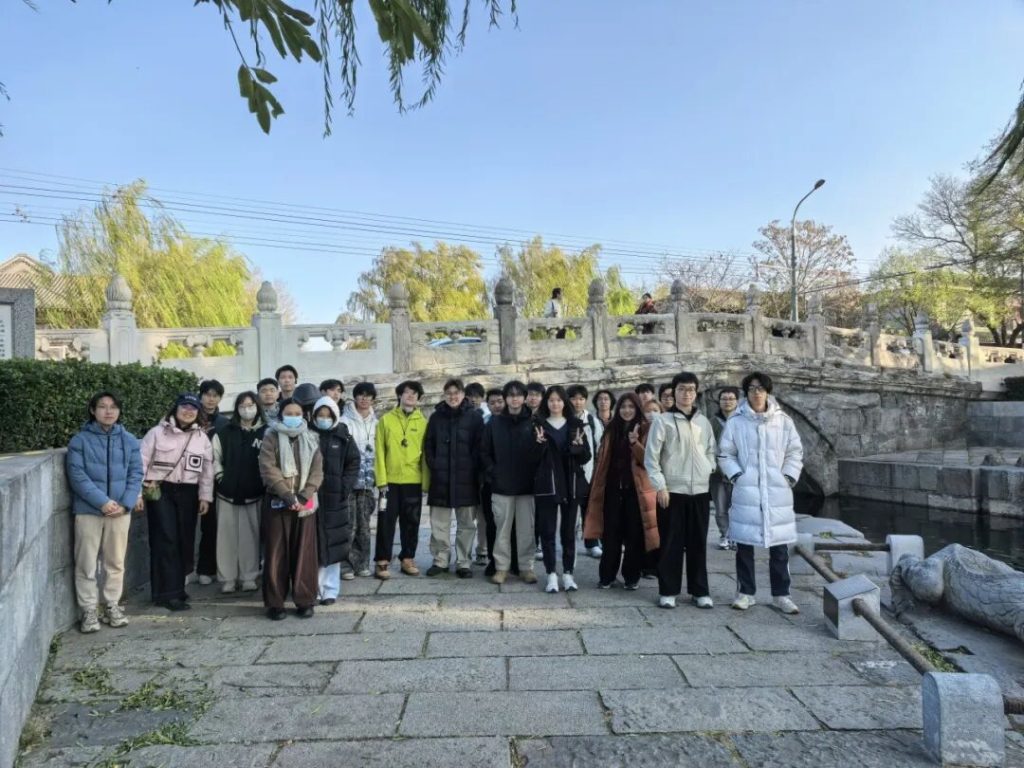
On November 18, nearly 30 students from Hong Kong, Macao, and Taiwan at China University of Geosciences (Beijing) joined a cultural study tour of the Beijing Central Axis. Over 3.5 hours, they unlocked the cultural codes of the northern section of the axis. Through full commentary and immersive experiences, the students gained deep insights into the contemporary value of China’s outstanding traditional culture.
The tour started at the China Bookstore in Di’anmen. Through the commentary, the students learned about the changes of Beijing’s city walls and the history of Di’anmen. Walking into Baimi Xiejie Street, the students tried to identify the identities of residents by the gate styles of siheyuan (courtyard houses), unlocking the “architectural Morse code” in the hutongs.
Wanning Bridge is hailed as the “First Bridge on the Central Axis” and is a dual World Cultural Heritage site for both the Beijing Central Axis and the Grand Canal. The water-calming mythical beasts and smart water gates bear witness to the engineering marvels of ancient waterborne grain transport. As they strolled along the banks of Shichahai, the students could trace the prosperity of water transport in bygone days and experience the new urban vitality of the modern neighborhood.
A fun hands-on activity followed: the students assembled puzzle kits featuring the core buildings of the Central Axis, which included iconic structures from Yongding Gate to the Bell and Drum Towers. Through this hands-on experience, they intuitively felt the architectural wisdom of “symmetry and harmony” embodied in the Central Axis.
A group photo at the Bell and Drum Towers Square captured the wonderful moments. Cases of “ancient architecture revival” like the Hong’en Temple Digital Exhibition Hall and cultural and creative cafes showed everyone the youthful expressions of traditional culture.
This cultural study tour, integrating historical exploration, architectural appreciation, hands-on practice, and innovative observation, allowed the students to understand Beijing through the collision of ancient wisdom and urban innovation.
China University of Geosciences (Beijing) (China University of Geosciences (Beijing), CUGB)
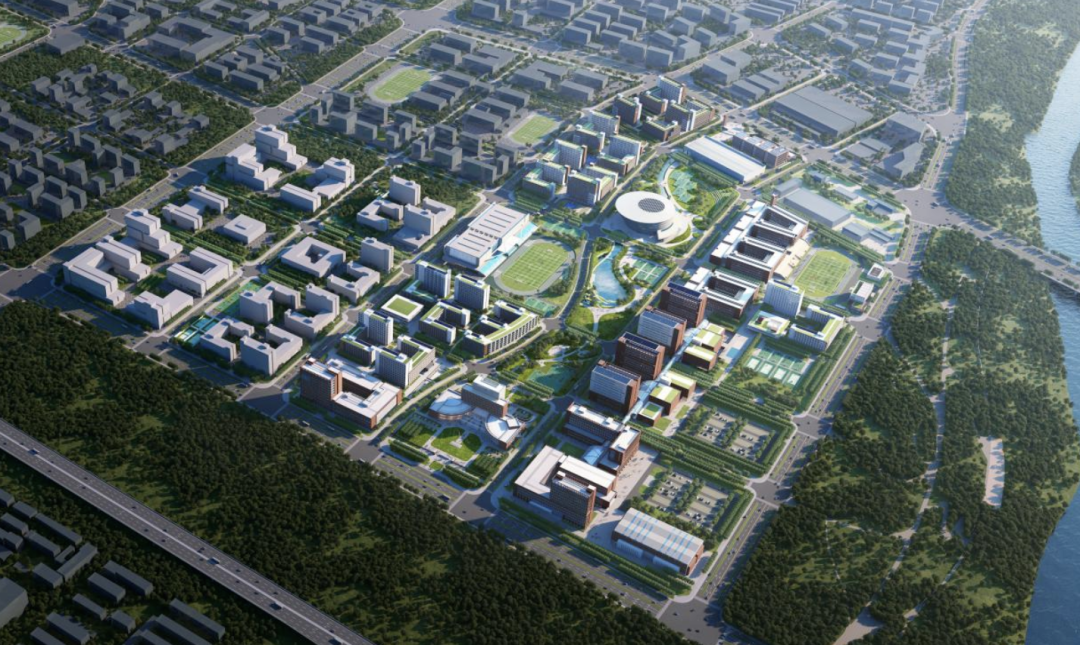
It is abbreviated as Beidi or CUGB, located in Haidian District, Beijing. It is a national key university directly under the Ministry of Education and co-built with the Ministry of Natural Resources. It was among the first batch of universities to enter the national “211 Project” and the national “985” Advantage Discipline Innovation Platform. It is also a “Double First-Class” university, a participant in the Excellent Engineer Education and Training Program, a member of the “111 Plan”, a Chinese Government Scholarship recipient institution, a participant in the New Engineering Research and Practice Project, a signed university of the Planetary Science Alliance of Chinese Universities, and an important national base for geoscience research.
The predecessor of the university was Beijing Geological College, founded in 1952 through the merger of geology departments (sections) from Peking University, Tsinghua University, Tianjin University, Tangshan Railway Institute, and other institutions. It became a national key university in 1960. In 1970, it relocated to Jiangling, Hubei, and was renamed Hubei Geological College. In 1975, it moved to Wuhan, Hubei, and was renamed Wuhan Geological College. In 1978, Beijing Geological College resumed enrollment at its original Beijing campus and established a graduate school in 1986. In 1987, China University of Geosciences was formed with campuses in Beijing and Wuhan. In 2000, the university was fully transferred from the former Ministry of Land and Resources to the Ministry of Education. In 2005, China University of Geosciences (Beijing) and China University of Geosciences (Wuhan) began independent operation. In 2017, China University of Geosciences (Beijing) was selected as a national “Double First-Class” university.