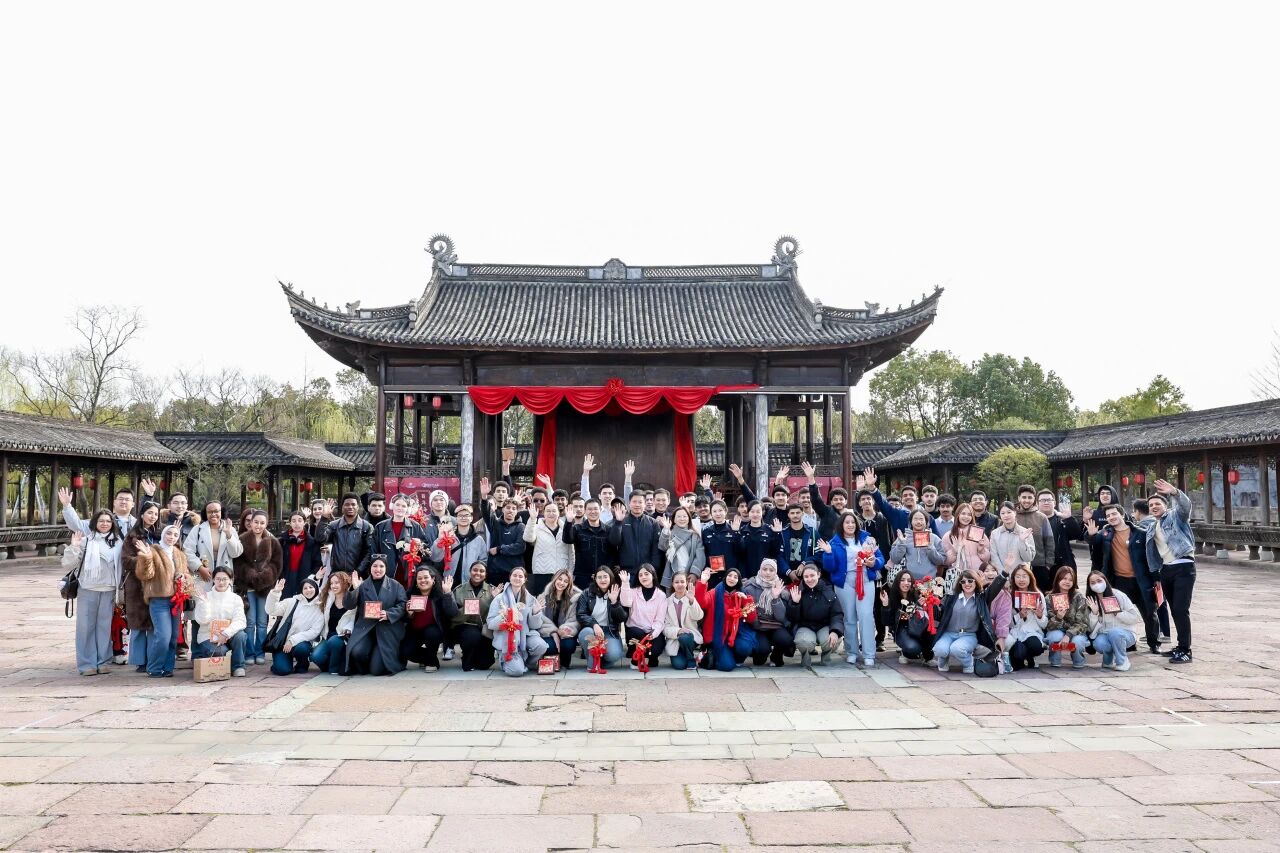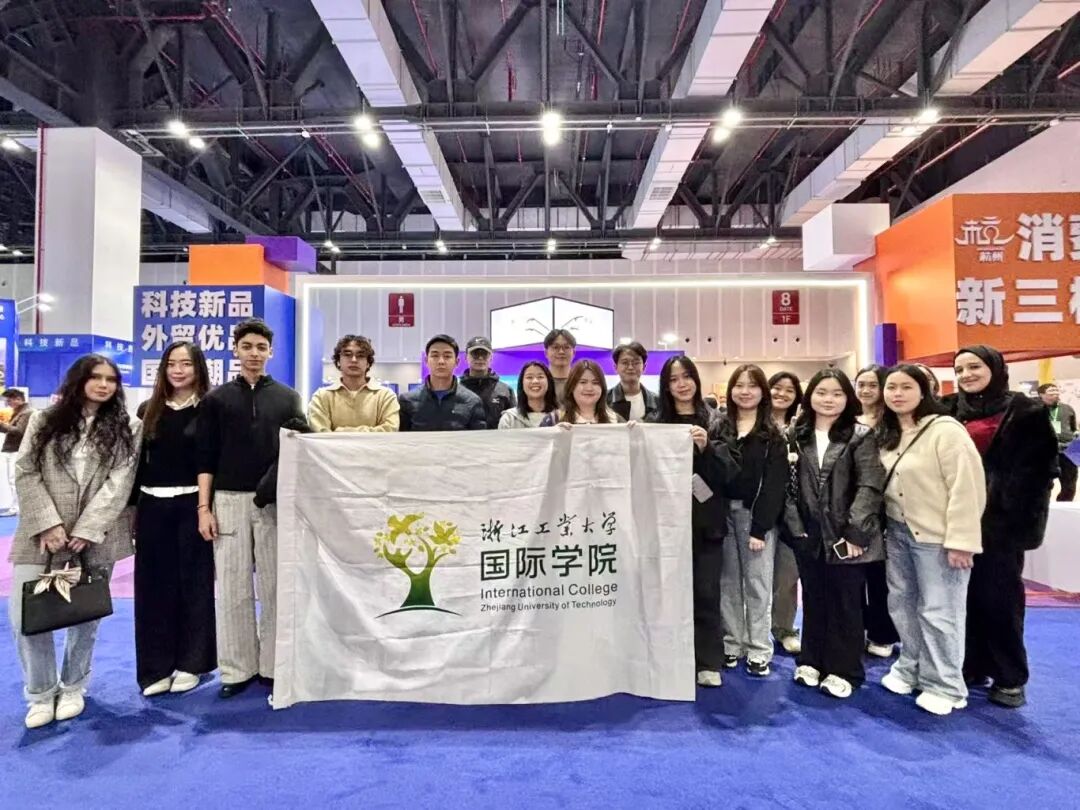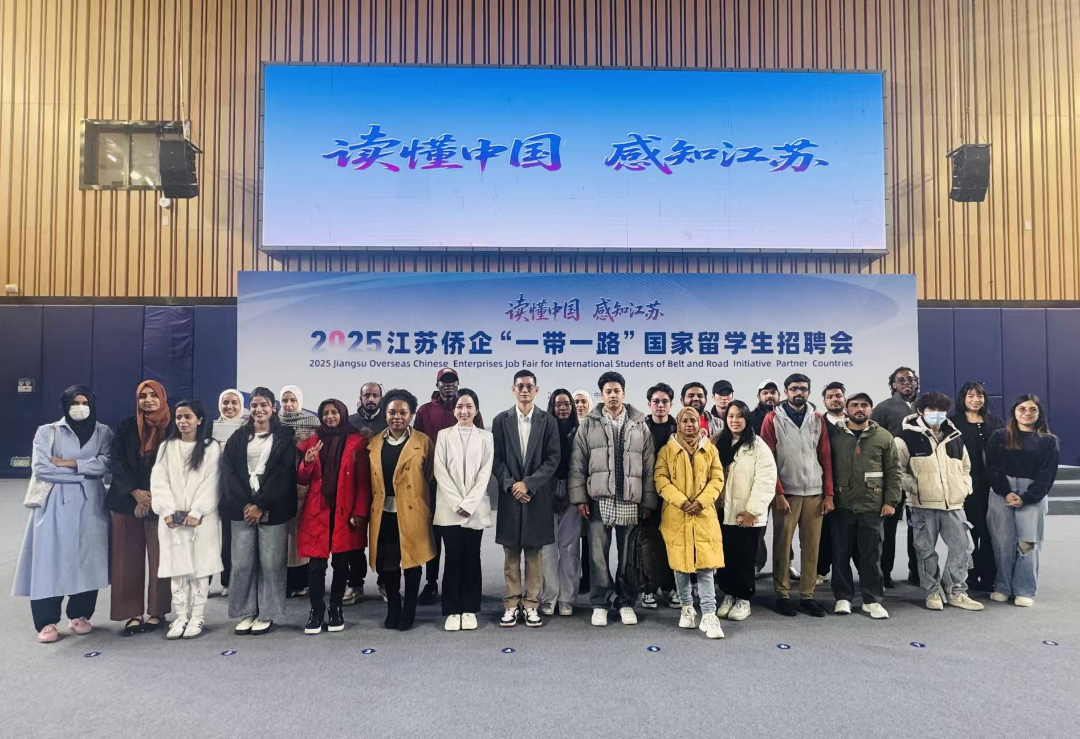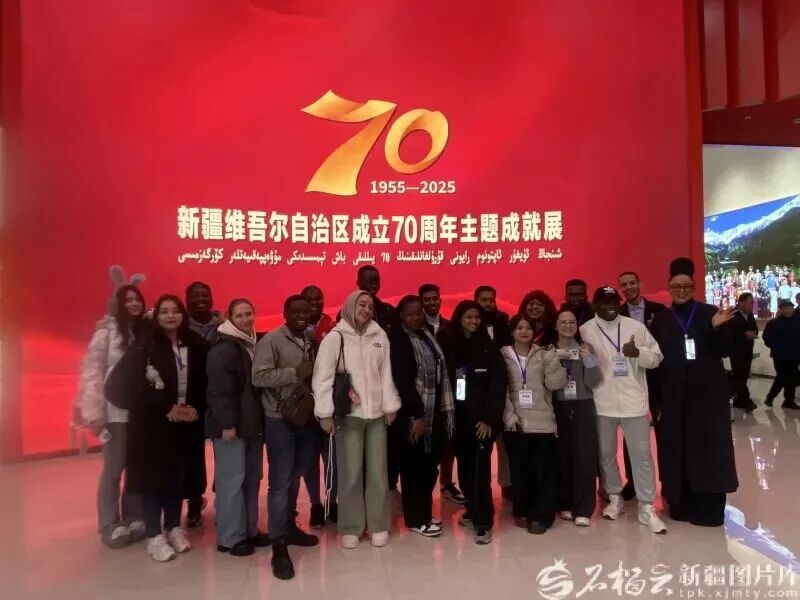
On October 21, a study group composed of international students from Zhejiang Normal University from 15 countries including Tanzania, India, Cameroon, and Russia arrived in Xinjiang and entered Urumqi City as the first stop to start the 2025 "Understanding Contemporary China and Perceiving and Opening Xinjiang" research activity.
In the Xinjiang Museum, precious cultural relics silently tell history, vividly showing that Xinjiang has been an inseparable part of China since ancient times. The members of the study group stopped from time to time to listen carefully, listened carefully to the explanations, and inquired about and understood the stories behind the cultural relics. "The rich collection and profound historical connotation give us a more comprehensive understanding of the history of Xinjiang, China, and truly feel that the cultures of all ethnic groups in Xinjiang, China are an inseparable part of Chinese culture." Li Xiuhuang, an international student from Myanmar, said.
The exhibition hall of the theme achievement exhibition of the 70th anniversary of the founding of the Xinjiang Uygur Autonomous Region brings together more than 1,600 pictures, more than 1,400 physical models, more than 150 multimedia videos and scene restorations, and through the three chapters of "Ten Thousand Directions Music for a New Sky", "Tidal Surge Tianshan Exhibition Grand Plan" and "Beautiful Xinjiang Casts Glory", a panoramic view of the magnificent journey of the sons and daughters of all ethnic groups in Xinjiang over the past 70 years under the strong leadership of the Communist Party of China and the full support of the people of the whole country, presenting the ever-changing miracle of development in front of the audience.
On October 22, the members of the research group came to the exhibition hall to listen to the explanation and record, and exchanged impressions and asked questions from time to time. "The content of the exhibition is detailed and vivid, and I can deeply appreciate the strong impetus injected into the development of Xinjiang by the support of Chinese policies, and I am very envious of the people living in this land." Wang Qian, an international student from Nigeria, sighed. Walking into the Urumqi International Dry Port Area, on the schematic diagram of the China-Europe (Central Asia) train operation route, a large passage connecting the east and west is particularly eye-catching. While listening to the explanation, the members of the research group paid attention to the freight data and transportation route map on the screen.
"Standing here, you can feel the vitality of China's Xinjiang economic development. The function and positioning of the Urumqi International Dry Port Area can allow the goods of China and the 'Belt and Road' countries to circulate rapidly, which is mutual benefit and win-win results. Ke Aimei, an international student from Cameroon, said.
In the Xinjiang Branch of GAC Trumpchi Automobile Co., Ltd., in the spacious and bright modern workshop, the automated production line is running in an orderly manner, and new cars have rolled off the production line one after another. The members of the study group visited the assembly line and experienced some of the new cars firsthand. "Chinese cars have excellent performance, high quality, and comfortable ride, and are also very popular in our country." Hu Xiaoman, an international student from Tanzania, said that he hopes to buy a Chinese brand car after returning to China in the future.
The study trip will last for a week, and the study group will also visit Bayingoleng Mongolian Autonomous Prefecture and Altay Region, and personally feel the customs and development pulse of Xinjiang, China through on-site visits and immersive experiences.
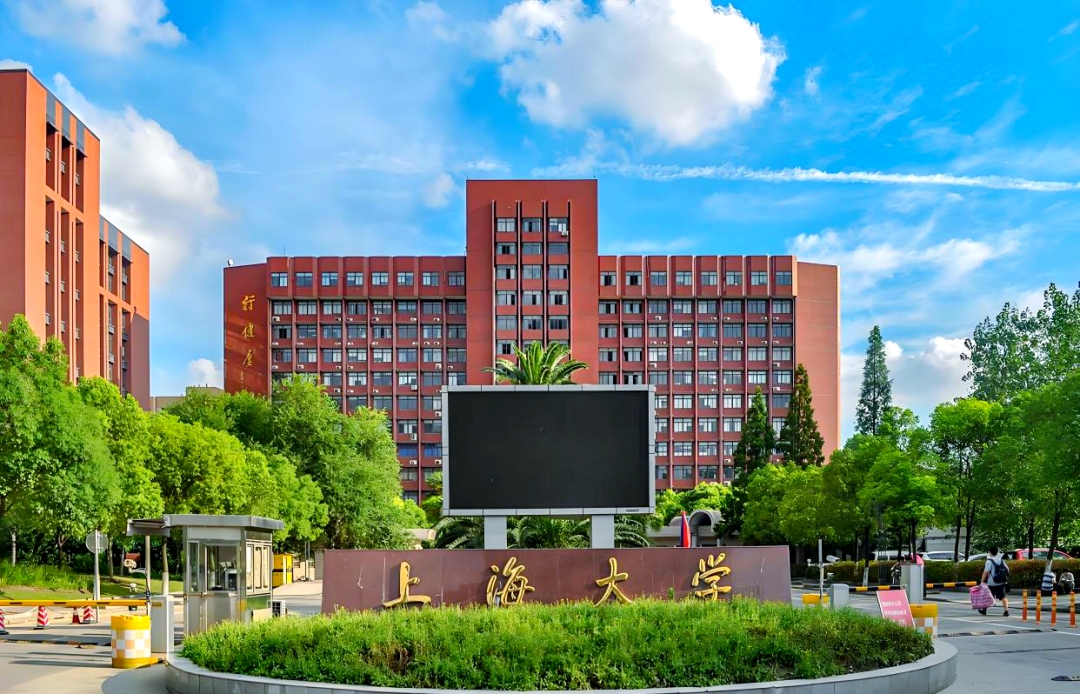
Zhejiang Normal University
It is referred to as "Zhejiang Normal University", "Zhejiang Normal University" and "Zhejiang Normal University" (ZJNU), located in Jinhua City, Zhejiang Province. Provincial ordinary colleges and universities organized by the Zhejiang Provincial People's Government featuring teacher education. It is the "Education Aid Base", "China-South Africa People-to-People Exchange Research Center", "African Chinese Education Practice and Research Base", "China-Africa University 20+20 Cooperation Plan" Implementation Unit, "China-ASEAN Education and Training Center", "China Basic Education Foreign Aid Training Base", "China-Africa University Alliance Exchange Mechanism Research Institute", "Zhejiang Top Ten Foreign Cooperation Units", "Zhejiang Province International Characteristic Universities" The first batch of construction units and the first batch of provincial international people-to-people exchange bases", Zhejiang Confucius Institute Teacher Selection and Training Center".
The predecessor of the school was Hangzhou Normal College, which was established on April 16, 1956. In 1958, it was upgraded to Hangzhou Normal University. In 1962, Hangzhou Normal University merged with Zhejiang Institute of Education and Zhejiang Institute of Physical Education and was renamed Zhejiang Normal University. In 1985, it was renamed Zhejiang Normal University. In 2000, 2001 and 2004, Zhejiang Finance School, Zhejiang Preschool Normal School and Jinhua Railway Driver School were merged one after another.