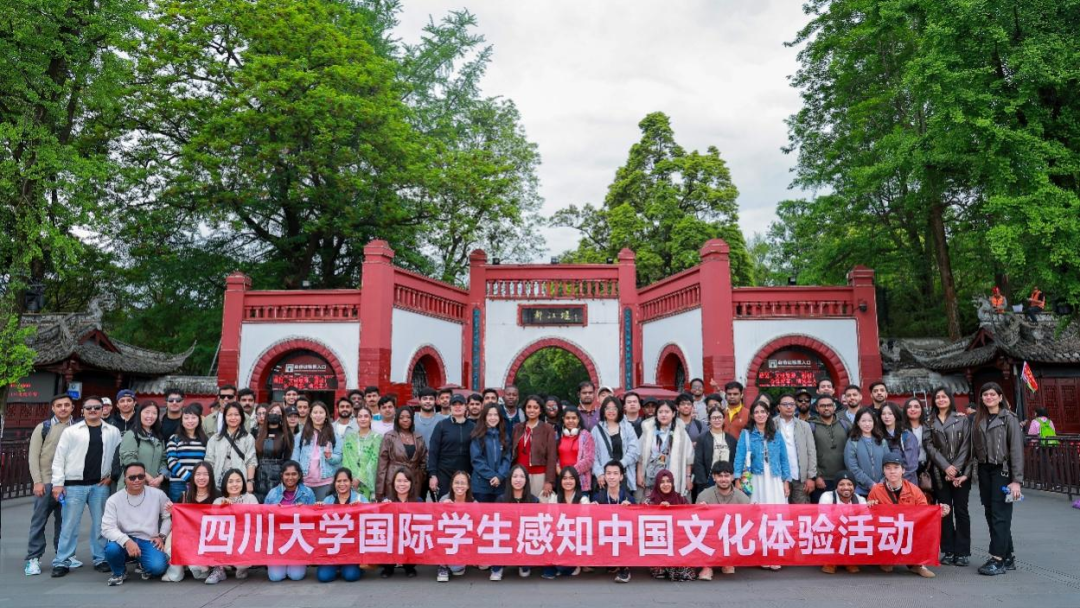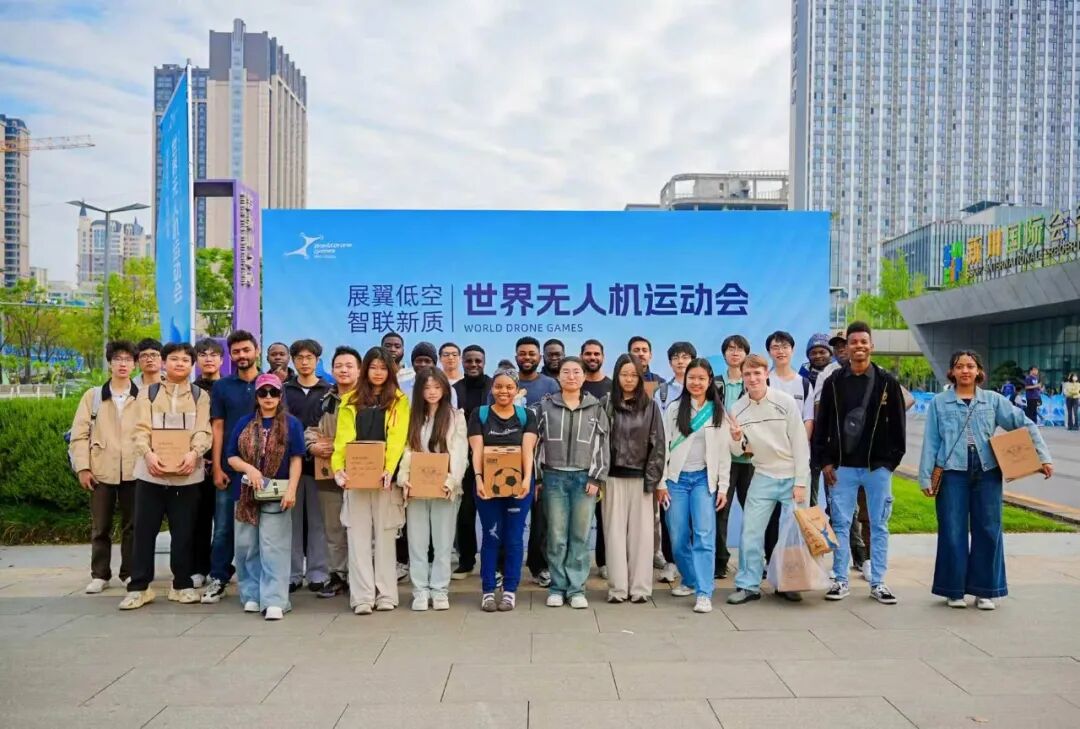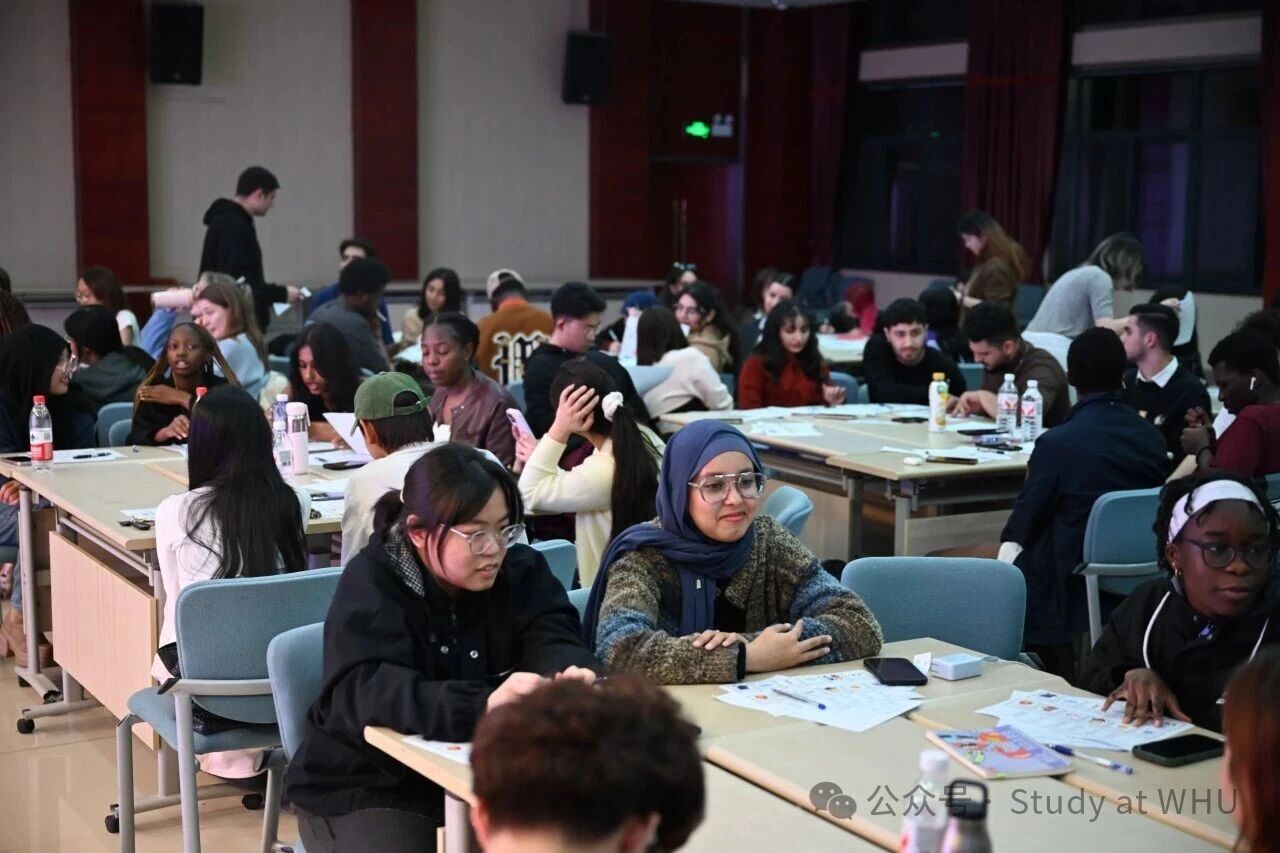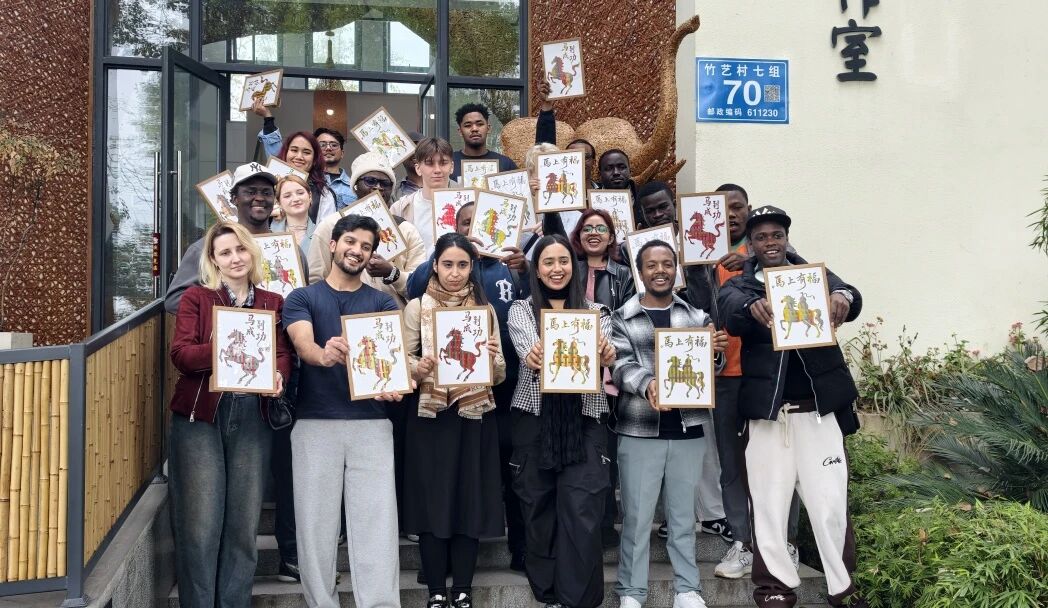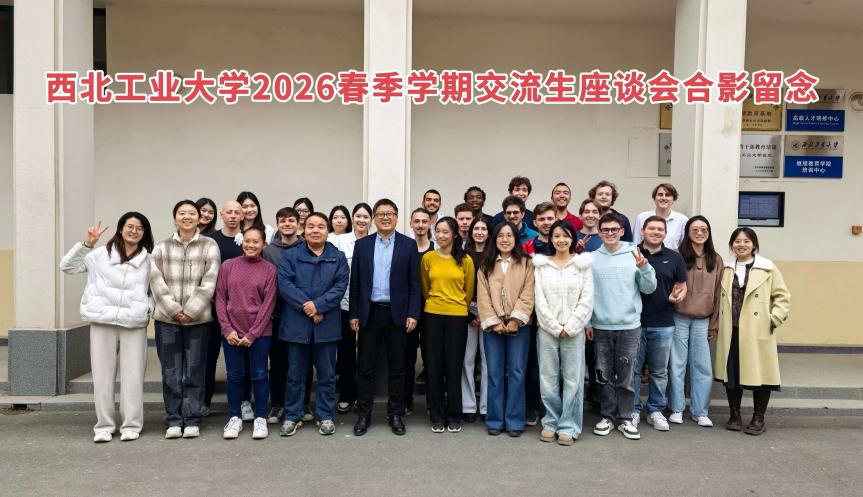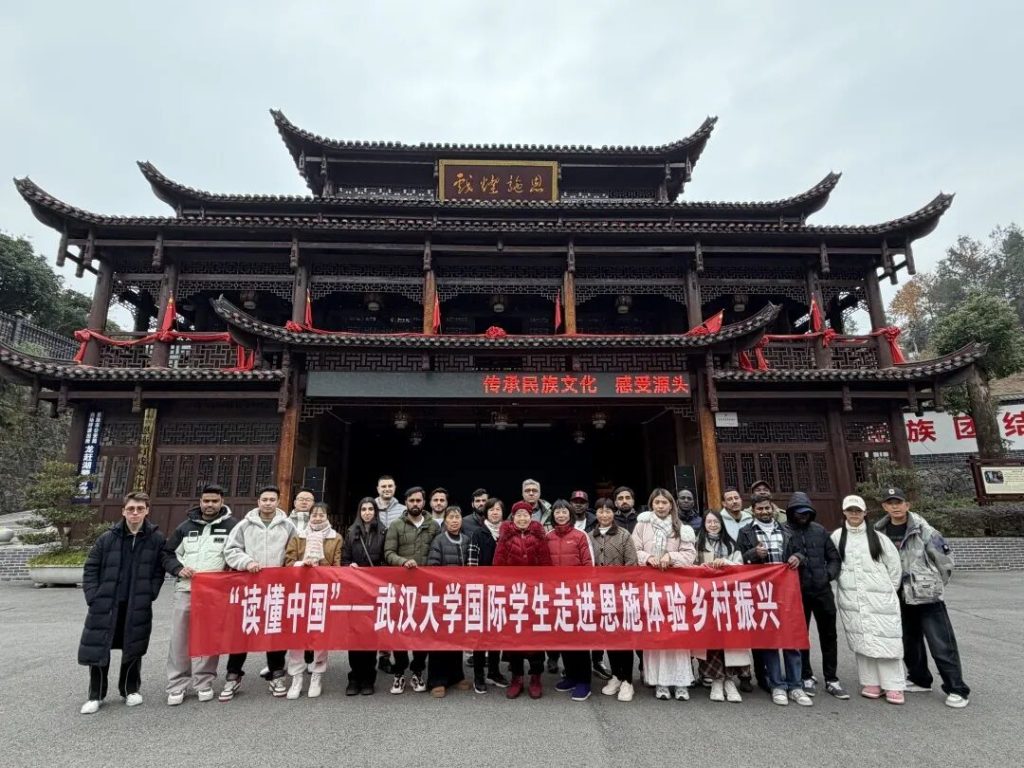
On December 3-4, 2025, the School of International Education at Wuhan University organized nearly 20 international students from Italy, the United States, Pakistan, Ethiopia, and other countries to visit Baiguoshu Village in Bajiao Dong Ethnic Township and Longganhu Village in Baiyangping Town in Enshi, where they carried out social practice and cultural experience activities. Since 2016, our university has provided targeted assistance to Enshi City and stationed support to Baiguoshu Village in Bajiao Dong Ethnic Township, focusing on key areas such as education, science and technology, and talent, implementing precise measures to support the economic and social development of Enshi City.
Yu Yi, the first secretary of the resident team in Baiguoshu Village, systematically introduced the development and changes of Baiguoshu Village to the international students. Through specific examples, he vividly explained the struggle process of how Baiguoshu Village transformed from a remote mountain village into a beautiful and livable village suitable for living and working, covering aspects from the improvement of infrastructure to the cultivation of characteristic industries, from the improvement of medical conditions to the revitalization of culture and education. He particularly mentioned that Wuhan University has fully leveraged its advantages in science and education resources to continuously empower the rural revitalization development of Baiguoshu Village through scientific and technological innovation. The international students showed great interest in the development path of Baiguoshu Village, and had in-depth exchanges with the first secretary on topics such as rural tourism development and ecological environment protection, gaining an intuitive and profound understanding of China's rural revitalization strategy and its grassroots practice.
The international students visited the "Luo'en Library" and "Luo'en Square" built by alumni of Wuhan University. The deep connection between "Luojia" (Wuhan University's nickname) and Enshi has been transformed into convenient facilities serving villagers. The international students felt very cordial and proud, and realized the care and warmth of Wuhan University's assistance work. The rich collection of books and clean environment in the library, as well as the lively scenes of villagers' leisure activities on the square, clearly demonstrate the achievements of universities in promoting rural cultural prosperity and improving people's livelihood and well-being.
At Baiguoshu Primary School, the international students acted as "cultural ambassadors" and jointly held a unique "World Culture Mini-Class" with the children. Representatives of international students from different countries introduced the customs, festival traditions, and characteristic cultures of their respective countries to the children through pictures, music, simple language teaching, and fun games. In turn, the children welcomed the "international teachers" from afar with carefully prepared songs and dances. There was constant interaction in the classroom, and laughter and joy filled the playground. Chinese and foreign students played games and did sports together. Sincere exchanges transcended age and national boundaries, and seeds of culture and friendship were quietly sown in the interactions. The international students also visited and experienced tea culture at the local characteristic industry—the Enshi Yulu Organic Tea Garden.
The students not only visited the standardized tea garden but also personally participated in traditional tea-making processes such as fixation, rolling, and drying under the careful guidance of tea farmers, immersively experiencing the ingenuity and wisdom of Chinese tea culture. In the subsequent tea-making and tea-tasting session, the international students felt the beauty of harmony, tranquility, and etiquette contained in Chinese tea ceremony amidst the dense tea fragrance, gaining a firsthand understanding of the extensive and profound Chinese traditional culture. On the second day, the international students visited Longganhu Village. Once a traditional fishing village, it has now transformed into a tourist destination integrating ecological sightseeing, agricultural experience, and homestay vacations. The distinctive homestays scattered along the lake, transformed from villagers' idle houses, are often hard to book during peak seasons. It is reported that through the development of tourism, Longganhu Village has directly created more than 500 jobs, indirectly driven more than 2,000 related jobs, and the per capita annual income of villagers has increased by more than 60%.
At the ancient stage of Longganhu, the international students were pleasantly surprised to watch the Longganhu Lantern Opera performance, which has been passed down for over a hundred years. This unique art form, which integrates shadow puppetry, lanterns, and local opera, has been included in the provincial intangible cultural heritage list. As the students walked through Longganhu Village and listened to villagers explain the village's development history, they learned that with the support of a series of central policies for agriculture, rural areas, and farmers, Longganhu Village has developed from an ordinary village into a rural revitalization demonstration area integrating smart agriculture, ecological tourism, and intangible cultural heritage inheritance, becoming a vivid window for observing China's new rural construction. The changes in Longganhu are a microcosm of the development of thousands of villages in China. As the students witnessed the rapid changes brought about by the continuous deepening of scientific and technological innovation in Longganhu's rural areas, a new era picture of strong agriculture, beautiful countryside, and prosperous farmers slowly unfolded before the young students from all over the world. They are becoming witnesses of this change and cross-cultural communicators.
Li Enshu from Italy said after the event: “This social practice not only allowed me to learn more about Chinese culture, but also let me see with my own eyes the achievements of rural revitalization and the huge improvements it has brought to the lives of local people. This model that combines development, cultural identity, and sustainability is worth learning from by many countries around the world.” Xiao Rujing from Thailand sighed: “This Enshi practice activity has allowed me to more comprehensively understand the multi-dimensional connotations of rural revitalization, and also deepened my understanding of China’s rural education, cultural protection, and industrial development. This experience not only broadened my knowledge horizon, but also prompted me to think about how to continue to pay attention to rural development issues in my own study and practice in the future. It has very important learning significance and practical value.”
Wuhan University (Wuhan University)
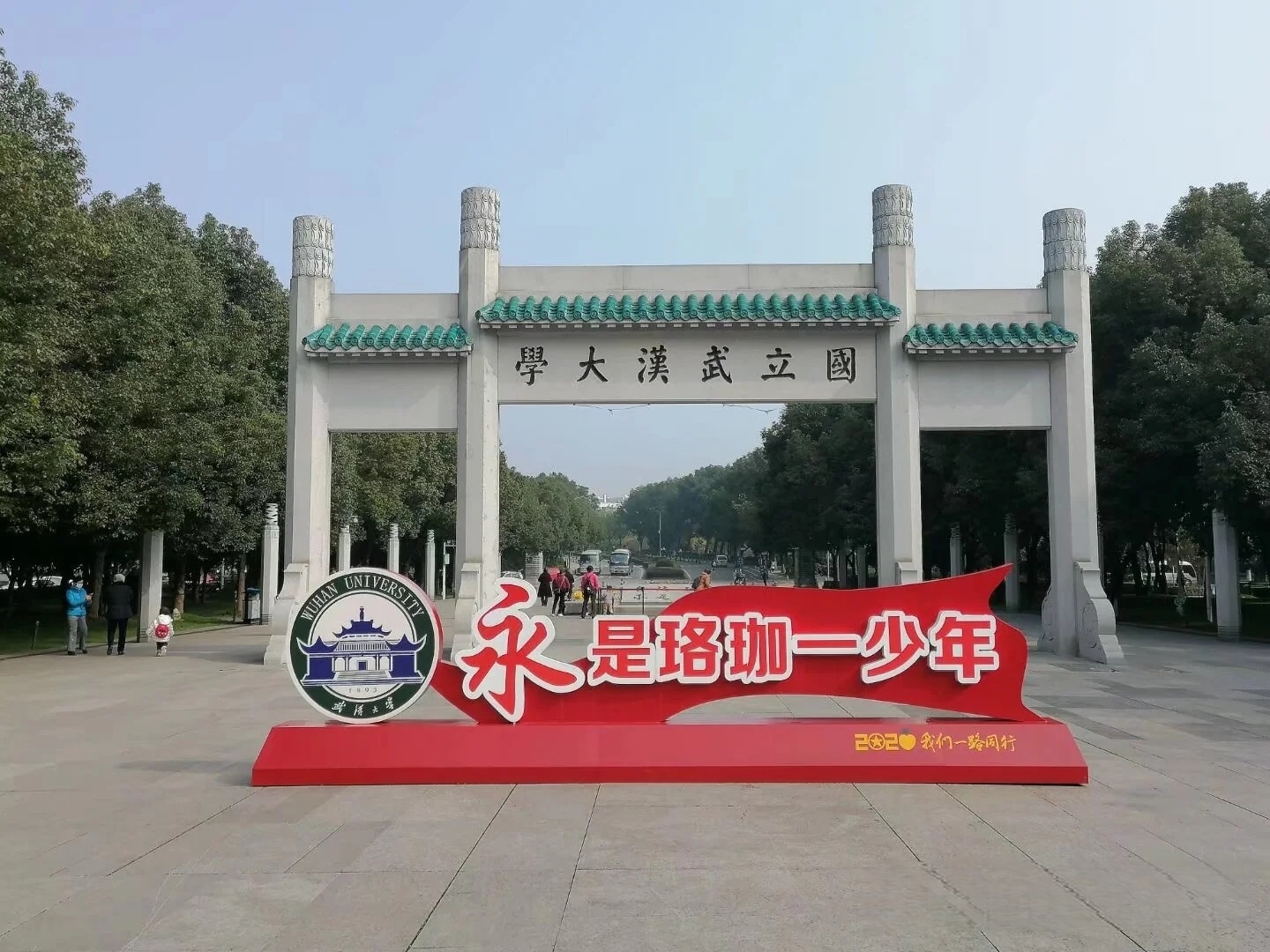
Commonly known as Wuda (WHU), it is located in Wuhan City, Hubei Province. It is a comprehensive national key university directly under the Ministry of Education, a university directly managed by the central government, and one of the first batch of universities selected for the national "Double First-Class" initiative, "985 Project", and "211 Project" key construction. It has been selected for the "101 Plan", Talent Program, and the National Project for Constructing High-Level Universities by Sending Postgraduates Abroad. It is a member of the Medical "Double First-Class" Construction Alliance, Eurasian-Pacific University Alliance, and China-UK Higher Education Humanities Alliance, and the governing unit of the "Double First-Class" University Alliance of the Middle Yangtze River Urban Agglomeration.
Wuhan University traces its origins to the Ziqiang School founded in 1893 at the request of Zhang Zhidong, the Governor-General of Huguang in the late Qing Dynasty, to the Qing government. After inheritance and evolution, it was named National Wuhan University in 1928, making it one of the first batch of national universities in modern China. It was identified as a national key comprehensive university in 1960 and as a key construction university of the national "211 Project" in 1995. In 2000, Wuhan University merged with Wuhan University of Hydraulic and Electric Engineering (founded in 1954), Wuhan Technical University of Surveying and Mapping (founded in 1956), and Hubei Medical University (founded in 1943) to form the new Wuhan University. It joined the ranks of key construction universities of the national "985 Project" in 2001 and was selected as a national "Double First-Class" construction university in 2017.