From March 23 to March 26, the International Student Training Department of the College of International Education carefully launched a series of intangible cultural heritage experience courses for international students, featuring three major Heilongjiang intangible cultural heritage items: Anda Paper-cutting, Reed Painting, and Gourd Pyrography. These courses enabled international students to experience the essence of China’s outstanding traditional culture and appreciate the unique charm of regional intangible cultural heritage up close.
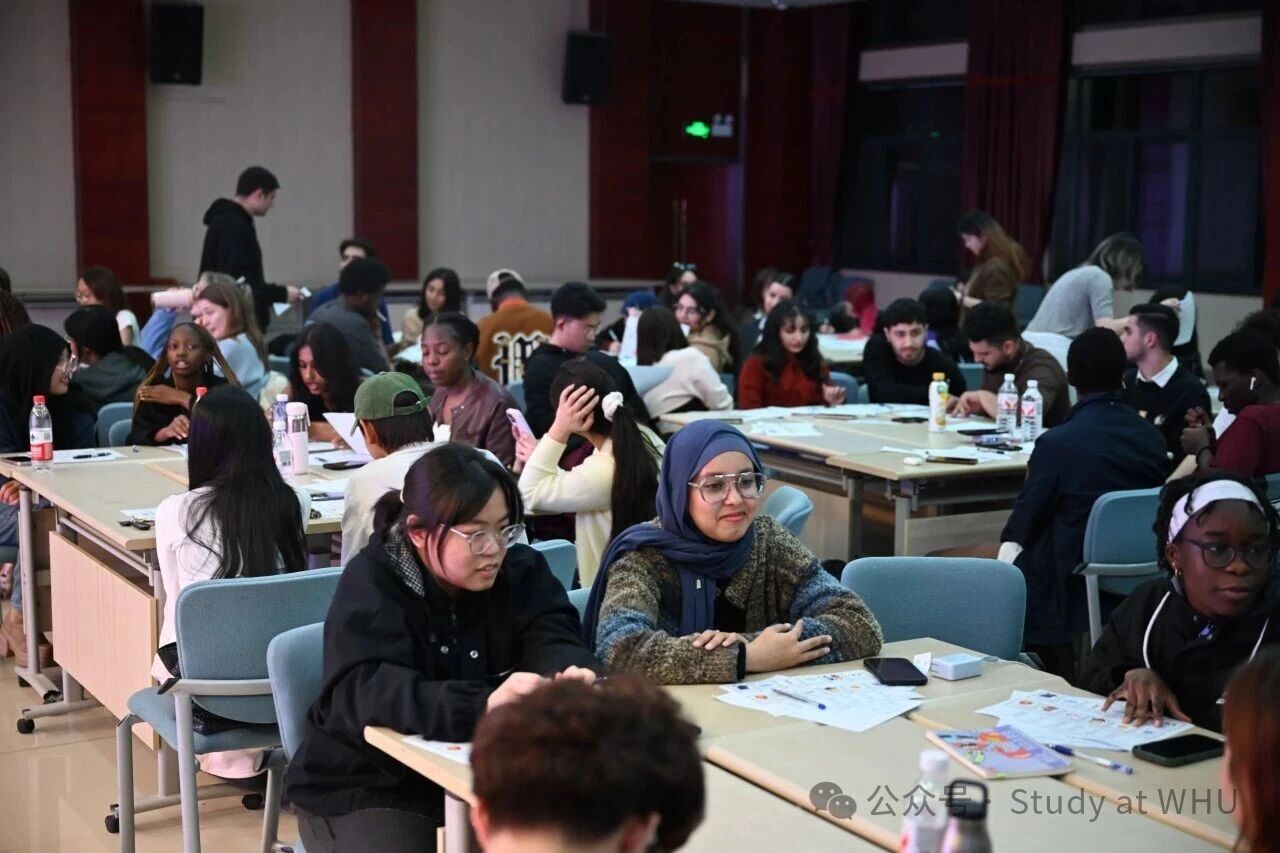
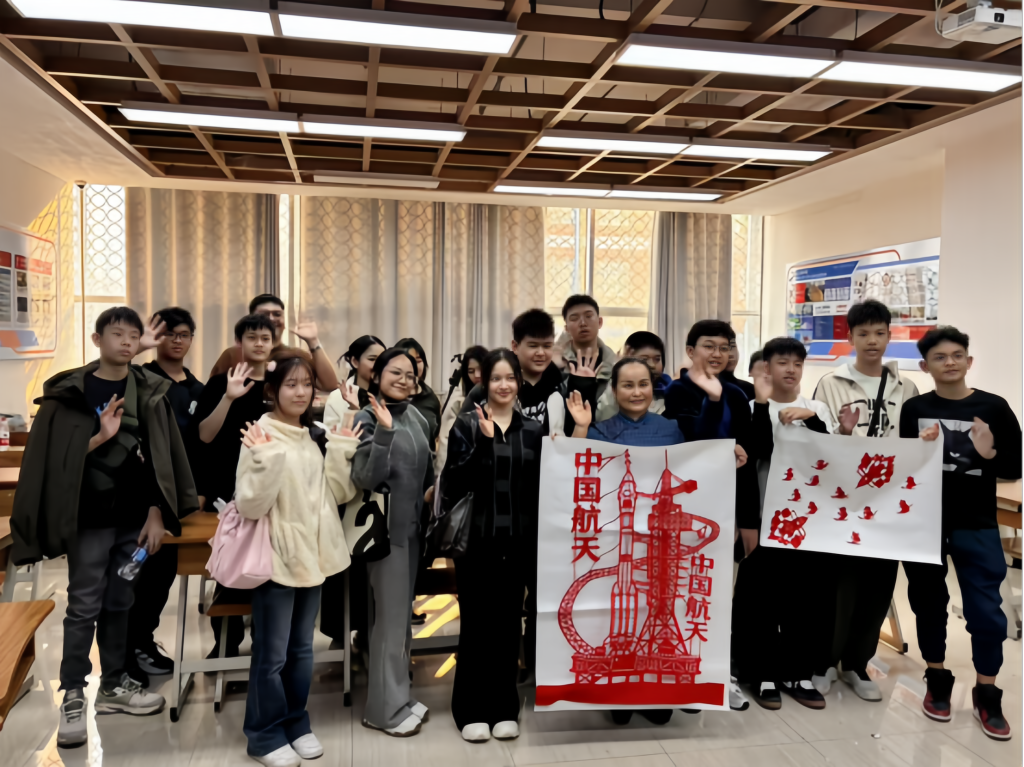
In class, inheritors of intangible cultural heritage delivered on-site teaching. Starting with the history and basic techniques of Anda Paper-cutting, they guided international students hand-in-hand to create paper-cut works themed “China Aerospace.” Using scissors as brushes and red paper as their medium, students integrated traditional craftsmanship with modern Chinese elements through fingertip creation, immersing themselves in the exquisite artistry of intangible cultural heritage. In the Reed Painting course, inheritors explained core techniques including reed selection, cutting, and assembly. Using natural reed materials and creative ideas, international students completed their works and experienced the artistic beauty of combining natural materials with traditional crafts. Focusing on distinctive Heilongjiang heritage, the Gourd Pyrography course featured live demonstrations of temperature control, brushwork, and pyrographic coloring. With specialized pyrography tools, students sketched patterns on gourds, truly experiencing the unique charm of gourd pyrography in the interplay of fire and wood.
This series of intangible cultural heritage courses took immersive practice as its core approach, effectively bridging cultural gaps and enabling international students to master traditional skills and understand cultural connotations through hands-on creation. The courses not only provided a valuable platform for international students to engage with China’s outstanding traditional culture, but also built a solid bridge for cultural exchange between China and the world. They promoted Heilongjiang’s intangible cultural heritage and China’s fine traditional culture globally, encouraged international students to become goodwill ambassadors of cross-cultural communication, and fully demonstrated the international outlook of the campus.
In the future, the College of International Education will continue to develop brand activities for diversified cultural exchanges, constantly introduce distinctive cultural programs such as intangible cultural heritage and folk customs, gather the energy of Chinese and foreign youth, and build a high-quality platform for cross-cultural communication. The college will promote mutual learning and integration of diverse civilizations on campus, continuing to write a new chapter of cultural exchange between China and the world.