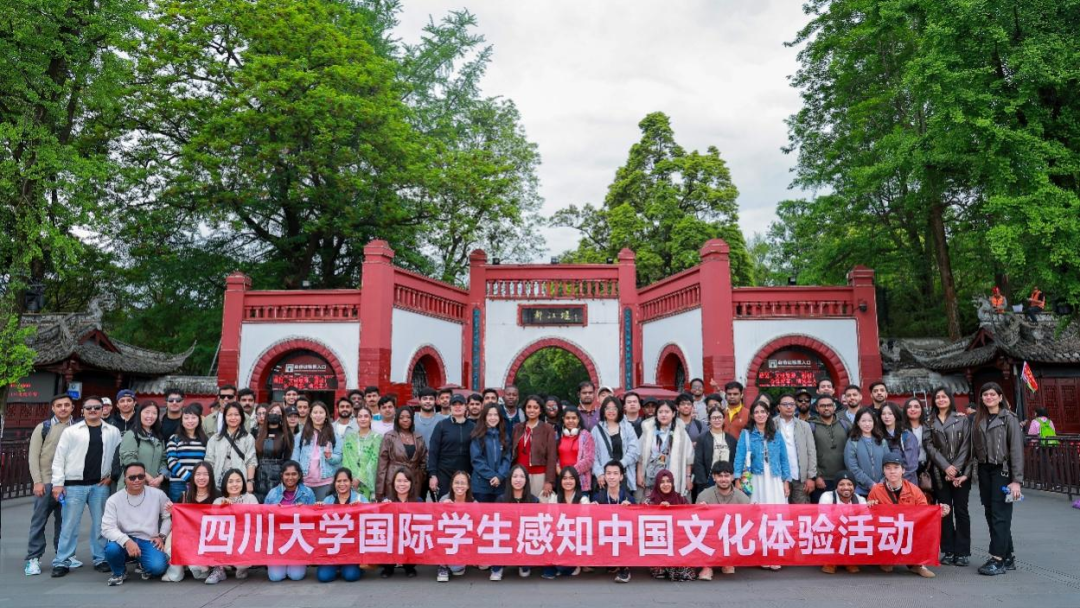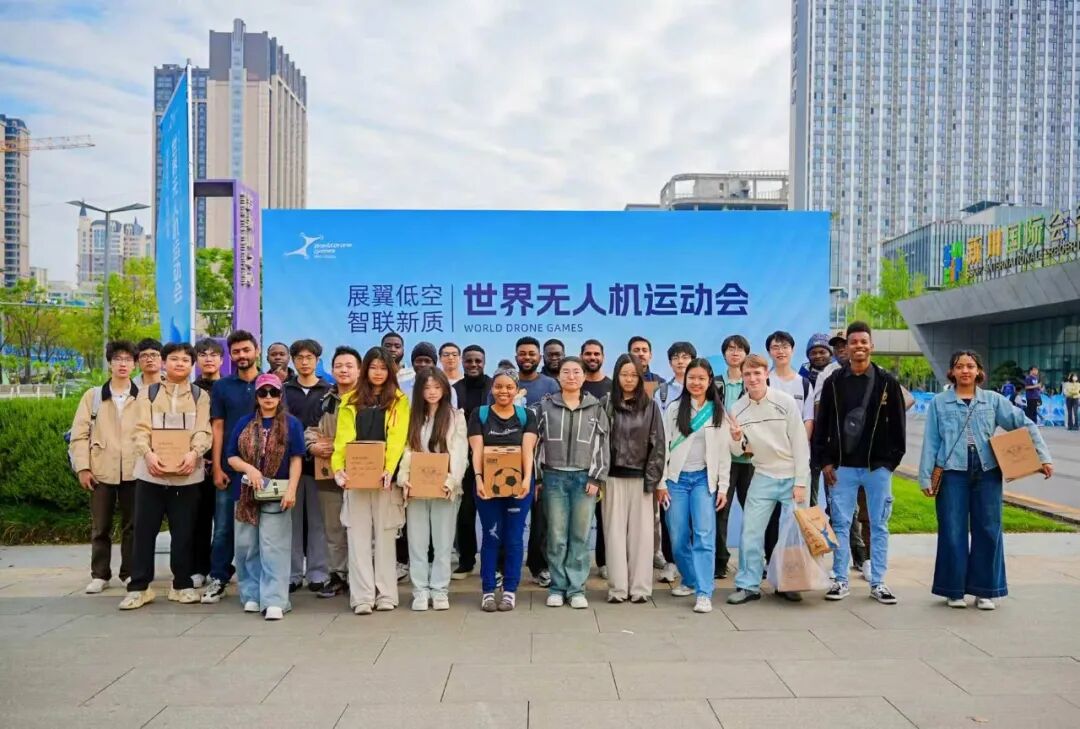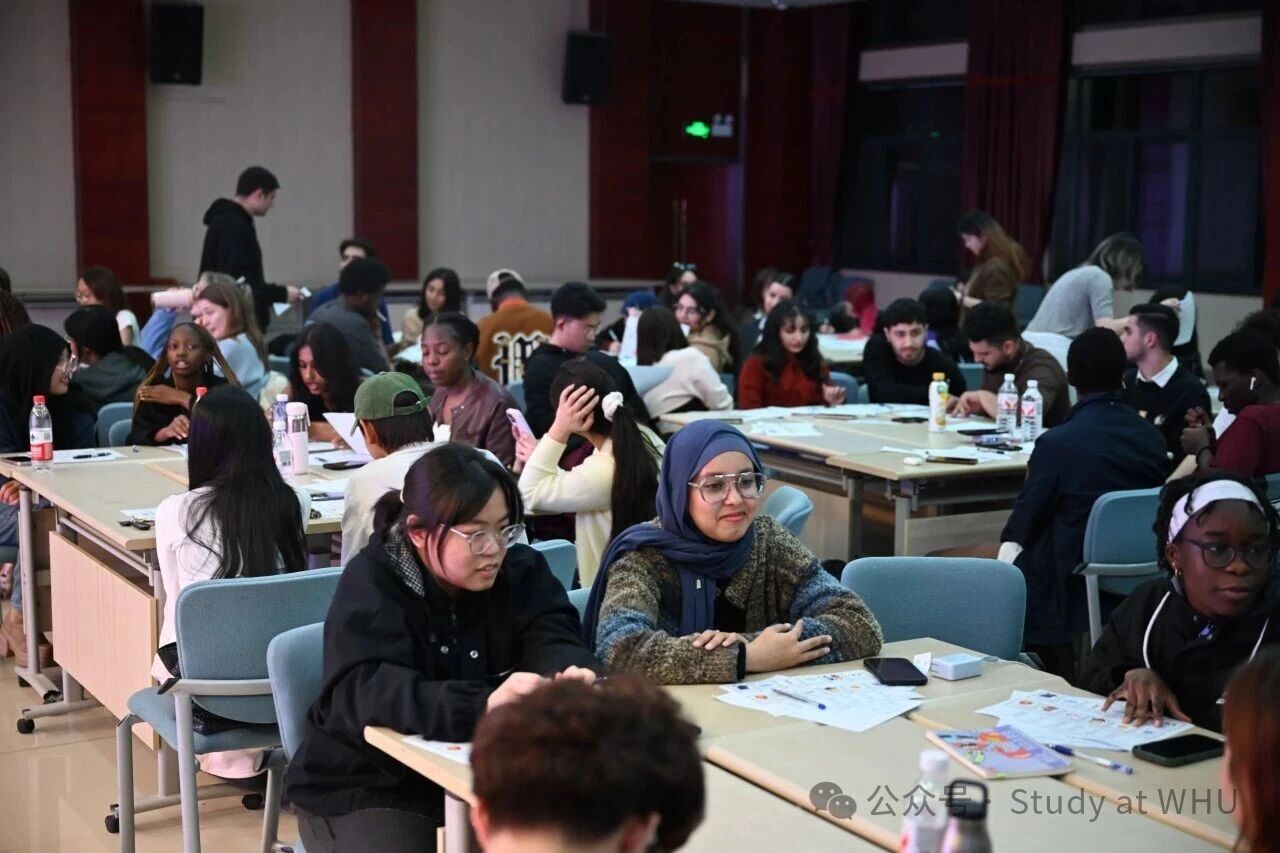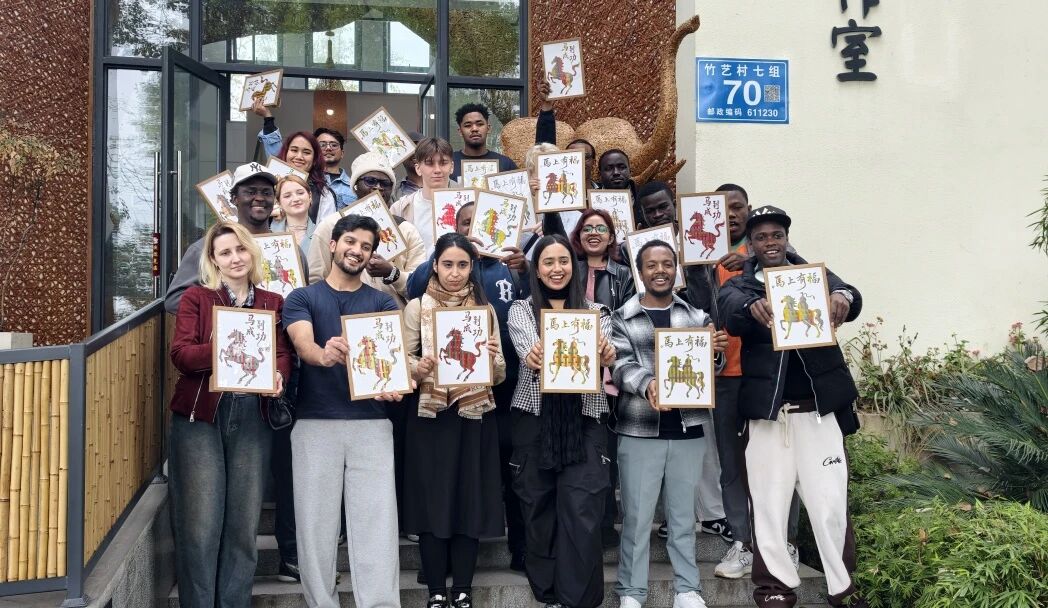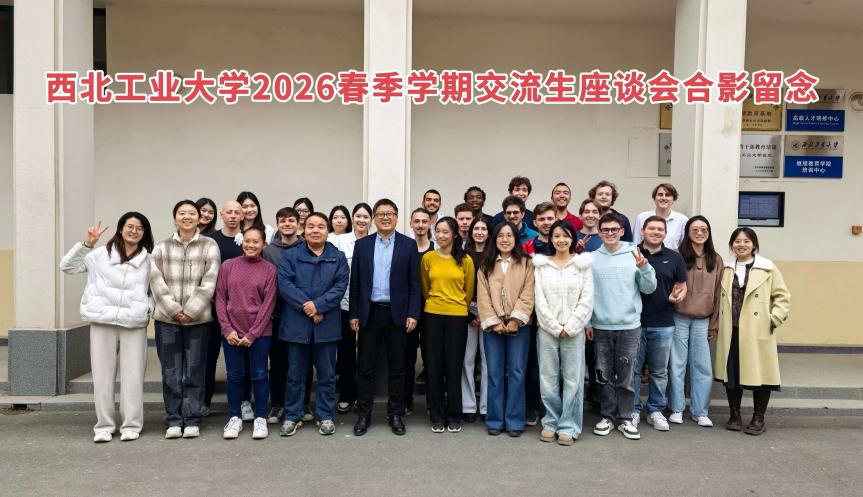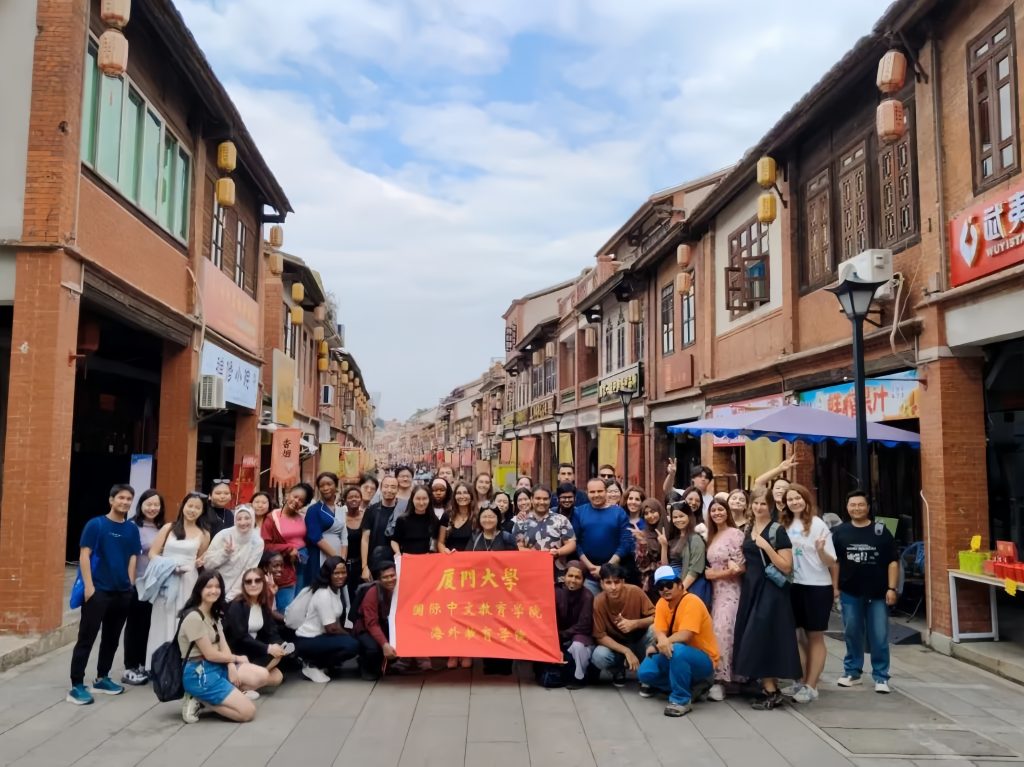
To help international students intuitively appreciate the unique charm of Chinese culture, enhance their understanding and recognition of it, and lay a solid cultural foundation for Chinese language learning, on November 9, 2025, under the guidance and support of the Student Affairs Office of Xiamen University, the School of International Chinese Education/College of Overseas Education organized the 2025 Xiamen University "Perceive China" Zhangzhou Cultural Experience Activity.
International students from over 20 countries including Iran, Yemen, South Korea, the Philippines, and Ghana participated in the activity under the leadership of teachers Li Nuo'en and Guan Liwen. The students visited two cultural landmarks: Dimei Ancient Village and Zhangzhou Ancient City. They immersively experienced the ingenuity and charm of traditional Chinese architecture, felt the original style and warm urban life of ancient Chinese cities amid modernization, and deepened their understanding and love for Chinese culture through their journey.
As a famous historical and cultural village in China, Dimei Ancient Village is renowned for its "nine-square grid" layout and uniform Minnan red-brick ancient houses. The houses are connected, and the lanes crisscross, preserving the architectural pattern of the Ming and Qing dynasties. Led by a guide, the international students strolled through the bluestone lanes, carefully observing the saddle-shaped gables of the ancient houses, exquisite brick and wood carvings, and unique "one courtyard, three bays" structure. They listened to the architectural wisdom of "red bricks, white stones, double-sloped roofs; alternating bricks and stones, swallow-tailed ridges" and understood the family culture and folk connotations behind the architecture. Later, the students entered Zhangzhou Ancient City, which completely preserves the street layout since the Tang and Song dynasties. Arcaded old streets, century-old shops, and modern cultural and creative shops complement each other, and the daily life scenes of ordinary people fill the ancient city with vitality. The students wandered under the arcades, appreciating the unique design of the "arcaded corridors" and experiencing their practical functions of shading and sheltering from rain. In time-honored shops, they tasted Minnan specialty snacks such as handmade maici and mianxian hu. At historical sites like the ancient city wall ruins and the Confucian temple, they listened to stories about Zhangzhou's thousand-year history of city construction and cultural heritage.
Centered on on-site visits, this cultural experience activity allowed students to break free from the limitations of textbooks and step into the vivid cultural scene. Through multi-sensory methods such as touching traditional artifacts, tasting special flavors, and participating in interactive experiences, everyone intuitively realized the diversity and vibrant vitality of Chinese culture, and more deeply understood the profound connotations of Chinese culture. In the future, they will better tell Chinese stories through their personal experiences, help more people understand the real and three-dimensional China, and inject vigorous youthful strength from Xiamen University into the mutual learning of Chinese and foreign civilizations.
Xiamen University (Xiamen University)
Also known as XMU, it is located at 422 Siming South Road, Siming District, Xiamen City, Fujian Province (main campus). It is a university directly under the Ministry of Education of the People's Republic of China and under the direct management of the central government. It is a comprehensive research-oriented national key university, a national "Double First-Class" university construction institution, a leading university of the national "2011 Plan", and a key construction university of the national "211 Project" and "985 Project". It is also the first university founded by overseas Chinese in the modern history of Chinese education and one of the earliest universities in China to enroll graduate students.
Xiamen University was founded by Mr. Tan Kah Kee, a patriotic overseas Chinese leader, in 1921. In March 1928, it was registered as a private university by the government. From 1929 to 1933, Tan Kah Kee's enterprises were forced to close due to the world economic crisis, and Xiamen University could not sustain its operations. He unconditionally donated Xiamen University to the government. On July 1, 1937, Xiamen University was converted to a national university. In September of the same year, due to the war, the school moved to Changting for education. In 1984, it obtained the right to award master's degrees. In 1986, it obtained the right to award doctoral degrees. In 1997, it was listed as a key construction institution of the national "211 Project". In 1998, it was included in the key construction plan of the "985 Project".