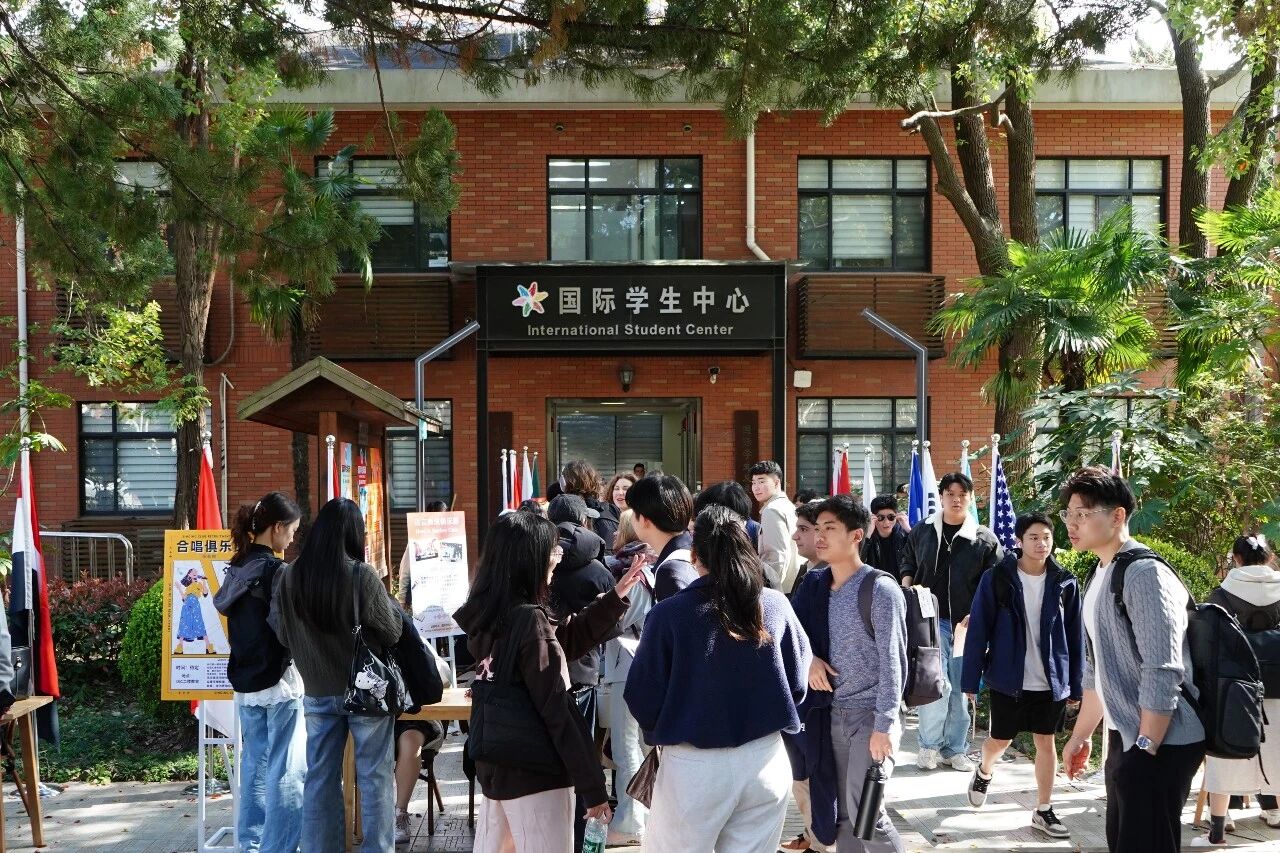
During your studies in China, the on-campus hospital or infirmary is your first choice for medical treatment. The school hospital provides basic medical service guarantee for teachers and students in school, which can meet the medical needs in most cases.
Preferential Price:
Most school hospitals or infirmaries adopt the "zero price difference" system (that is, zero difference rate drug sales are implemented according to the purchase price), and some items are reduced or exempted.
Flexible payment: Many schools support payment through multiple channels such as students' campus cards, bank cards, online payments, and cash.
Referral service: If your condition exceeds the scope of diagnosis and treatment at the school hospital, the medical staff will provide you with a referral channel.
Tips
1. Before going to the school hospital, it is recommended to know the opening hours and department settings of the school hospital in advance, so that you can quickly find the corresponding diagnosis and treatment department.
2. Keep all documents and certificates issued by the school hospital for subsequent insurance reimbursement or further treatment.
2. Off-campus medical treatment options
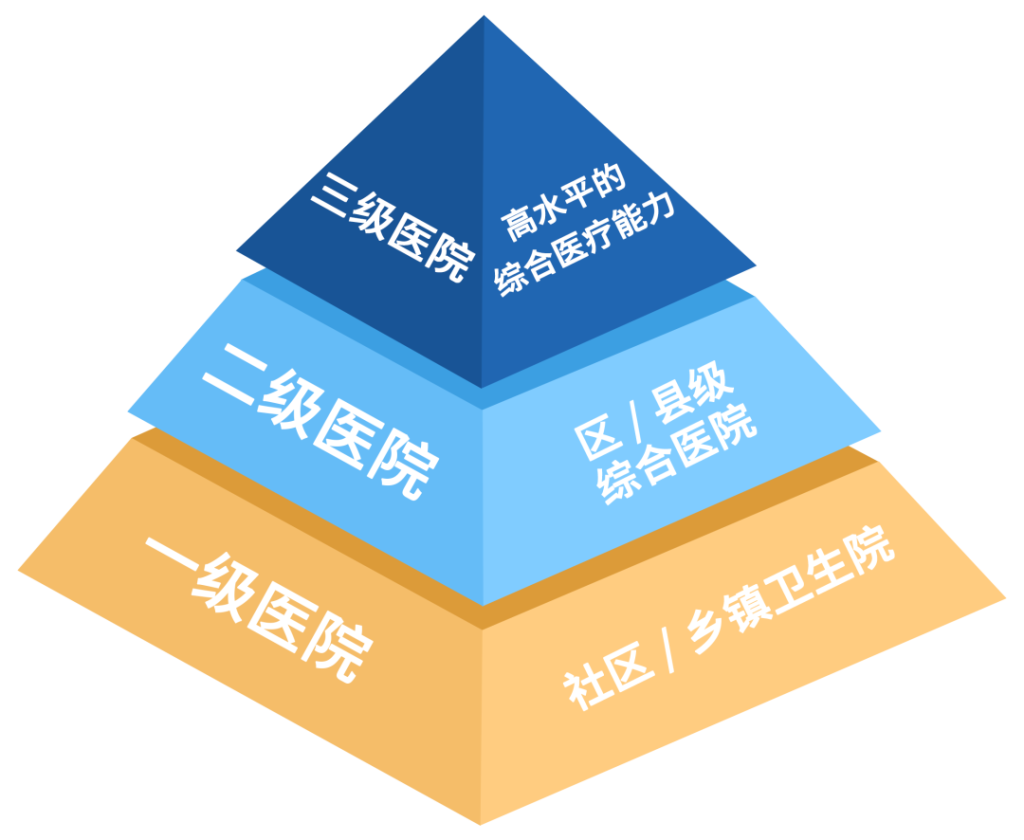
Medical institutions in China are mainly divided into two types: public hospitals and private hospitals. Public hospitals are hospitals established by the government and included in the budget management, so the price of medical services is more affordable. China's public hospitals have a grading system, which can be understood as the "qualification certification" of the hospital.
Tertiary hospitals (the highest level): In particular, tertiary hospitals represent a high level of comprehensive medical capabilities, can handle various critical and intractable diseases, and are a reliable guarantee for solving complex health problems.
Secondary hospitals: Undertake regional medical tasks and are a good choice for balancing technology and convenience.
First-level hospitals: The most common is the "community health service center" around the school. They provide communities with basic preventive care (such as vaccination), management of minor conditions, and management of chronic diseases, which is very convenient and fast.
*You can check whether any hospital is public or private and its specific level by visiting the official website of the local health board.
When you visit a Chinese hospital, you will encounter three main systems of diagnosis and treatment.
Western medical method: Based on modern medicine, it is the main diagnosis and treatment method of general hospitals.
Traditional Chinese medicine: Traditional Chinese medicine, focusing on overall conditioning, commonly used traditional Chinese medicine, acupuncture, massage and other methods.
Integrative Medicine: Many hospitals combine the advantages of both approaches to provide a more comprehensive treatment plan.
Hospitals in China are divided into two types from a professional perspective: general hospitals and specialized hospitals. General hospitals usually have complete departments (such as internal medicine, surgery, pediatrics, etc.) and can handle a variety of common and frequent diseases, making them the first choice in many cases. Specialty hospitals, such as ophthalmology, dentistry, or mental health centers, specialize in a particular area and are ideal when you have a clear need for specialized care.
In addition, you can also conduct health consultations in the form of graphics, telephone, video, etc. through "online formal consultation platforms" (such as JD Health, Alibaba Health, Good Doctor Online, etc.) to obtain professional advice, which is very convenient.
3. Medical treatment process in public hospitals
When it comes time to go to a public hospital, familiarizing yourself with the following processes can make your medical journey smoother.
1 Appointment registration Usually, the hospital implements the real-name system for registration, please bring the necessary ID documents to the medical registration, or you can make an appointment in advance through the hospital's official WeChat public account, APP, or Alipay/WeChat "medical health" service.
When registering on site, queue up at the "registration office" in the outpatient hall of the hospital. If it is the first visit, it is usually necessary to apply for the hospital's "medical card" and "medical record manual". Your medical records will be registered in the medical record booklet and medical card, and you will need to carry this magnetic card and handbook with you to follow up with your doctor. 2. Triage and waiting for treatment Please follow the instructions on the registration form and go to the nurse's desk of the corresponding department for "triage registration". After triage, please pay attention to the electronic screen or voice call and wait patiently for treatment.
3. Medical treatment and payment
Clearly describe your symptoms to your doctor when you see a doctor. If you don't understand the language, it is recommended to invite a friend who is fluent in Chinese to accompany you, or write key information (such as symptoms, allergy history, etc.) on paper in Chinese in advance.
After the diagnosis, the doctor may issue a checkup or prescription before the examination or medication can be collected after payment. Payment is usually done at the hospital's charging window or self-service payment machine.
You can also buy the drug at other pharmacies. Please note that prescription drugs can only be purchased with a prescription from a doctor.
Tip: Before your appointment, be sure to contact your insurance company to confirm the following key information:
1. Reimbursement Coverage: Does your insurance plan cover outpatient and inpatient visits? What hospitals are covered? Reimbursement method: "direct payment by the insurance company" or "self-payment first, then reimbursement", or "advance payment"? *Most insurance companies can provide medical expense advance services in case of emergency, that is, the insurance company pays part or all of the medical expenses first, and then settles the claim later.
- Required documents: What materials are required for reimbursement? (Typically includes medical records, a list of expenses, and an official invoice)