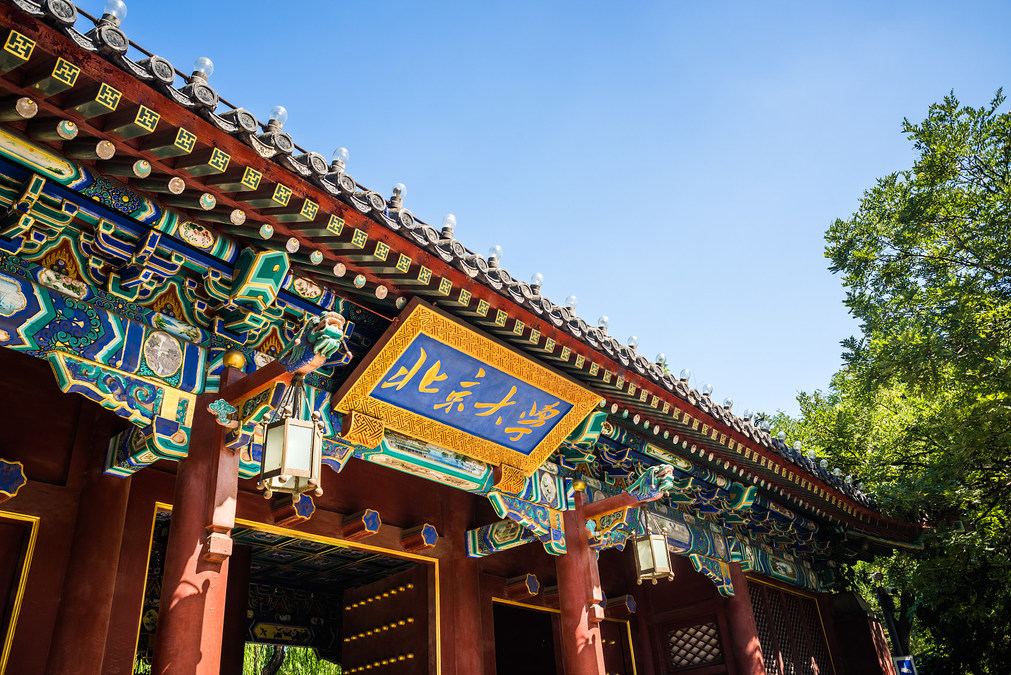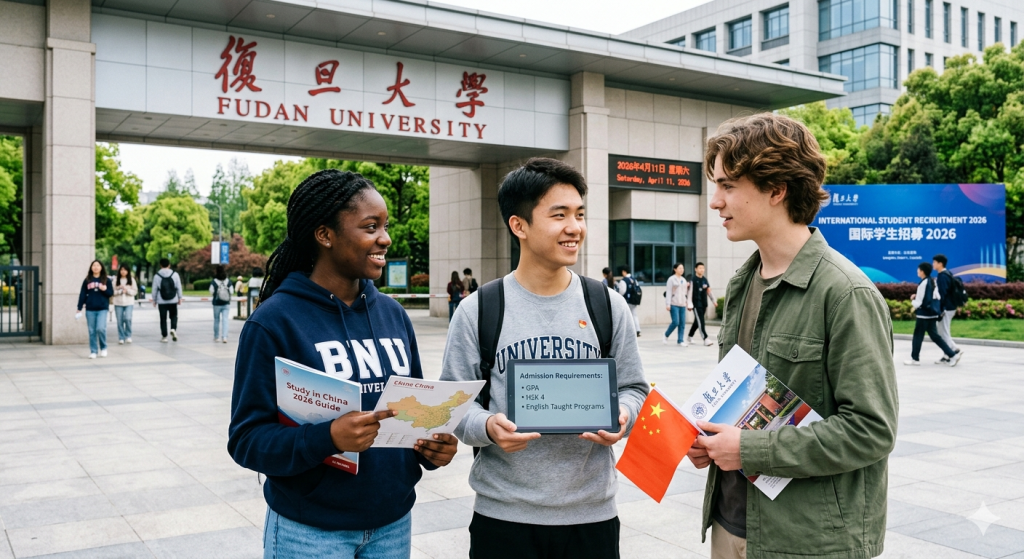
China has become one of the top destinations for international students seeking high-quality education, cutting-edge technology, and a rich cultural experience. Whether you are aiming for prestigious C9 League universities like Fudan University or specialized institutions such as Tianjin Medical University, understanding the admission requirements is the first step toward your academic journey in the Middle Kingdom.
Below is a comprehensive guide to the essential requirements for international students applying to Chinese universities in 2026.
1. Basic Eligibility and Nationality
To apply as an international student, you must be a non-Chinese citizen with a valid foreign passport. According to the latest regulations from the Chinese Ministry of Education:
- Academic Background: Applicants for undergraduate programs must have a high school diploma (or equivalent).
- Age Limits: Generally, undergraduate applicants should be between 18 and 25 years old. Some universities may accept students slightly older for specific self-funded programs, while those under 18 must provide a legal guardian’s certificate in China.
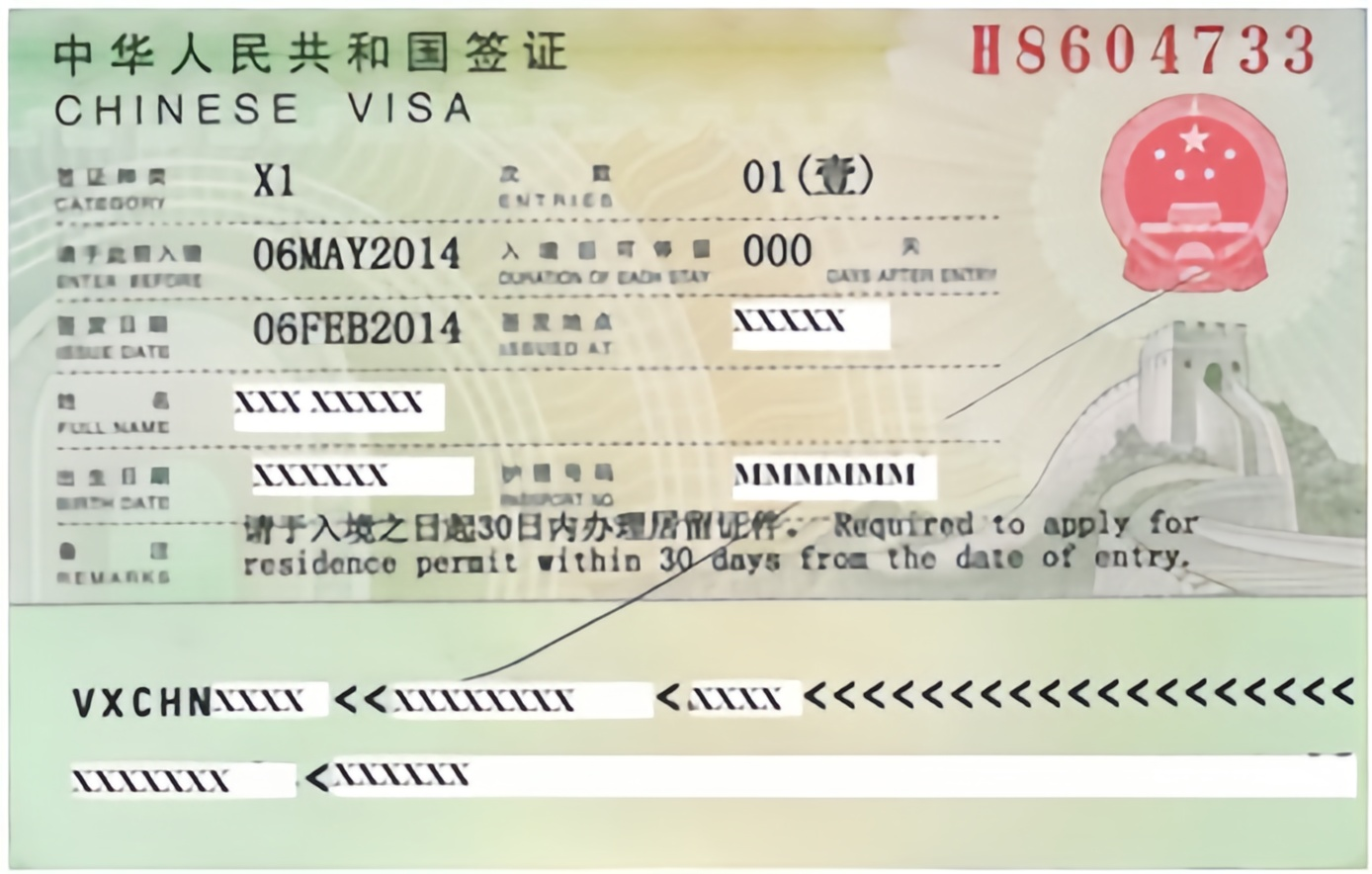
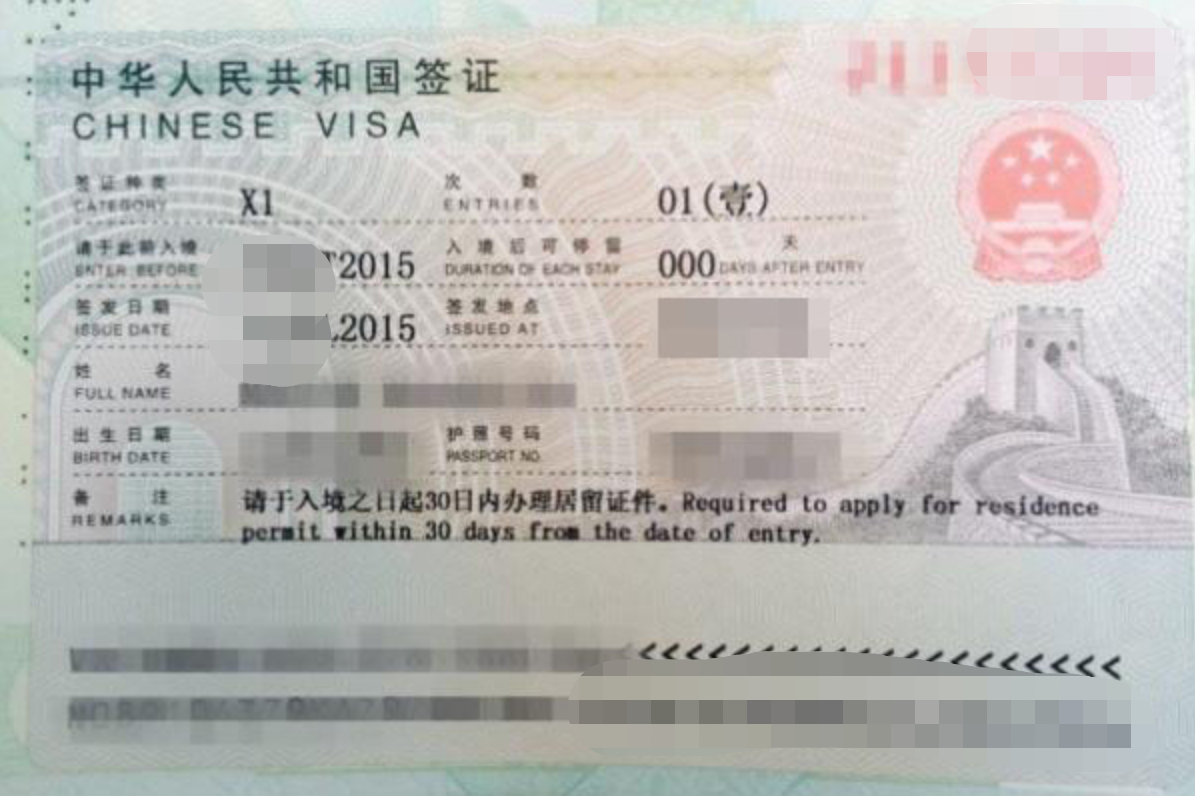
- Health Status: You must be in good health and meet the physical examination standards required for a Chinese student visa (X1/X2).
2. Academic Requirements (GPA and Transcripts)
Chinese universities, especially top-tier ones, place a high value on academic excellence.
- Transcripts: You must provide official high school transcripts. A strong GPA (usually 3.0/4.0 or above) significantly increases your chances of admission.
- Standardized Tests: While not always mandatory, providing scores from international tests like the HSK, CSCA, IB, or A-Levels can give you a competitive edge.
3. Language Proficiency: Chinese vs. English
This is the most critical factor depending on your chosen “Medium of Instruction.”
- Chinese-Taught Programs: You must prove your Mandarin proficiency via the HSK (Hanyu Shuiping Kaoshi). For most undergraduate majors (Science, Engineering, Business), an HSK 4 certificate is the minimum requirement. For liberal arts or medicine, HSK 5 is often required.
- English-Taught Programs (e.g., MBBS, Business): If you are a non-native English speaker, you must provide proof of English proficiency, such as IELTS (usually 6.0+) or TOEFL (80+). Native English speakers or those who completed high school in English can often waive this requirement.
4. Financial Proof and Funding
Universities need to ensure you can support yourself during your studies.
- Bank Statements: Most institutions require a financial guarantee or bank statement showing sufficient funds (typically covering at least one year of tuition and living expenses).
- Scholarships: If you are applying for the Chinese Government Scholarship (CSC) or Provincial Scholarships, you must meet additional criteria, including higher academic standings and earlier application deadlines (usually between January and April).
5. Essential Application Documents
A complete application package typically includes:
- Valid Passport Copy (specifically the photo page).
- Notarized High School Diploma (translated into Chinese or English).
- Academic Transcripts.
- Personal Statement or Study Plan (explaining why you want to study in China and your future goals).
- Letters of Recommendation (usually two from teachers or counselors).
- Foreigner Physical Examination Form.
- Non-Criminal Record Certificate (issued by your local police department).
6. Application Deadlines for 2026
Most Chinese universities have two intakes, but the Autumn Intake (September) is the primary one for degree students.
- Early Action: January to March.
- Regular Deadline: June 30, 2026 (for most self-funded programs).
- Scholarship Deadline: Often closes by late March or early April.
Conclusion
Securing a spot in a Chinese university requires careful planning and attention to detail. By maintaining a strong academic record, meeting language requirements, and preparing your documents well in advance of the June 30 deadline, you can join the thousands of international students flourishing in China’s vibrant academic ecosystem.