Are you an ambitious high school student looking to study in the world’s most dynamic commercial center? Shanghai, known as the “Oriental Pearl,” is a magnet for international students seeking world-class education in business, technology, and design. However, moving to a global megacity requires careful planning for 2026.
From navigating SUIBE admissions to understanding the cost of living, here are the 10 most critical questions answered for your future in Shanghai.
1. What are the Admission Requirements for Shanghai Universities?
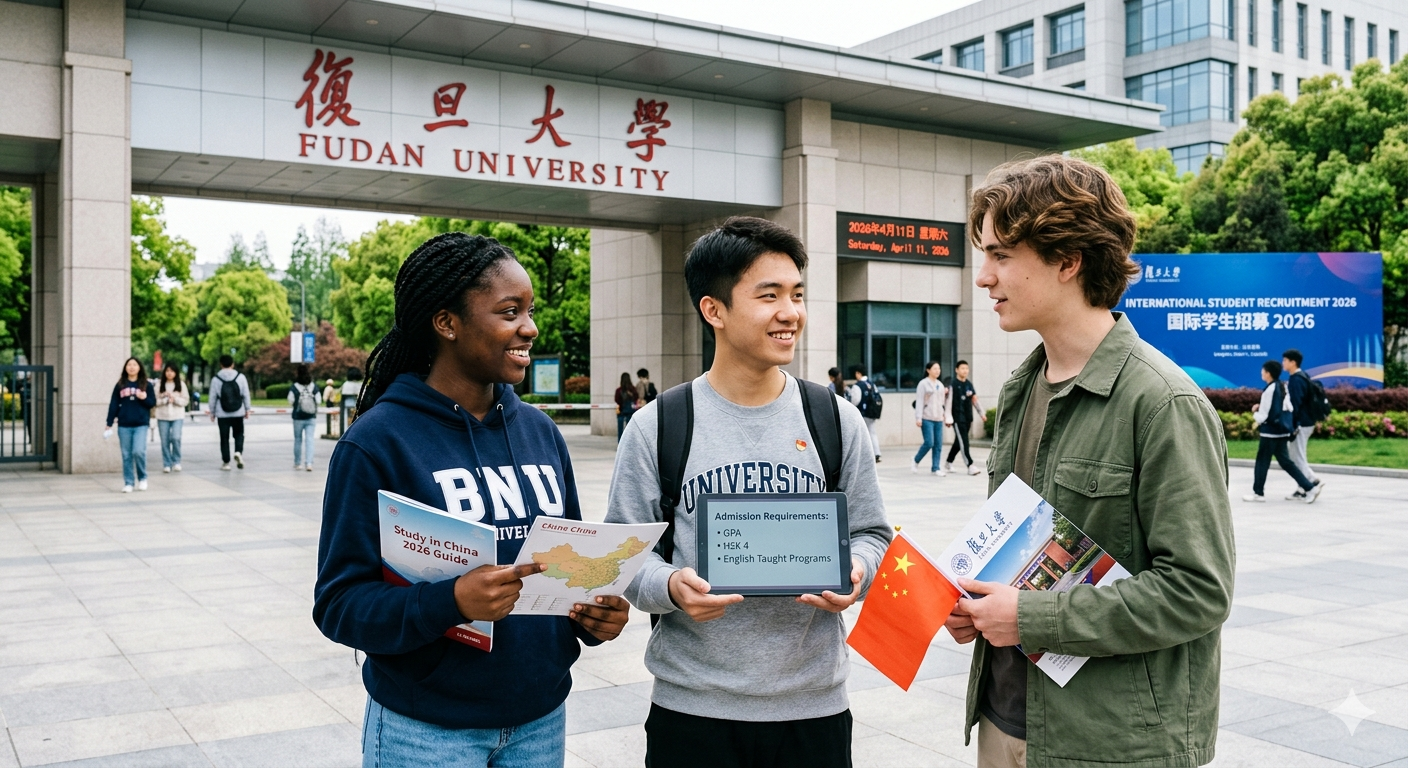
Top-tier schools like Fudan University, Shanghai Jiao Tong University, and the Shanghai University of International Business and Economics (SUIBE) look for strong academic records. You will typically need a high school diploma, and for Chinese-taught majors, an HSK 5 is standard. English-taught programs usually require an IELTS of 6.0–6.5 or equivalent.
2. What Scholarship Opportunities Exist in Shanghai for 2026?
Shanghai offers some of the most generous financial aid packages. Beyond the Chinese Government Scholarship (CSC), the Shanghai Government Scholarship (SGS) is highly sought after by international students. Many universities also offer their own “Presidential Scholarships” to attract top global talent for the 2026 intake.
3. Are there English-Taught Programs in Business and Finance?
Absolutely. As a global financial hub, Shanghai offers an extensive range of English-taught undergraduate programs, particularly in International Trade, Finance, and Marketing. Schools like SUIBE are specifically designed to bridge the gap between Chinese academic theory and international business practice.
4. What is the Monthly Cost of Living in Shanghai?
Shanghai is often considered the most expensive city in Mainland China. For 2026, students should plan for a monthly budget of $700–$1,200 USD. While street food remains affordable, lifestyle costs such as Western-style cafes, international groceries, and social activities in areas like the Bund or Xintiandi can add up quickly.
5. How Important is the CSCA Exam for Shanghai Universities?
For many competitive undergraduate programs in Shanghai, the CSCA (China Standardized Test for College Admission) score is a vital part of the application. Whether you are pursuing Liberal Arts or Science, performing well in the Professional Chinese and Mathematics modules of the CSCA will significantly strengthen your profile for both admission and scholarships.
6. What is the Process for a Student Visa (X1)?
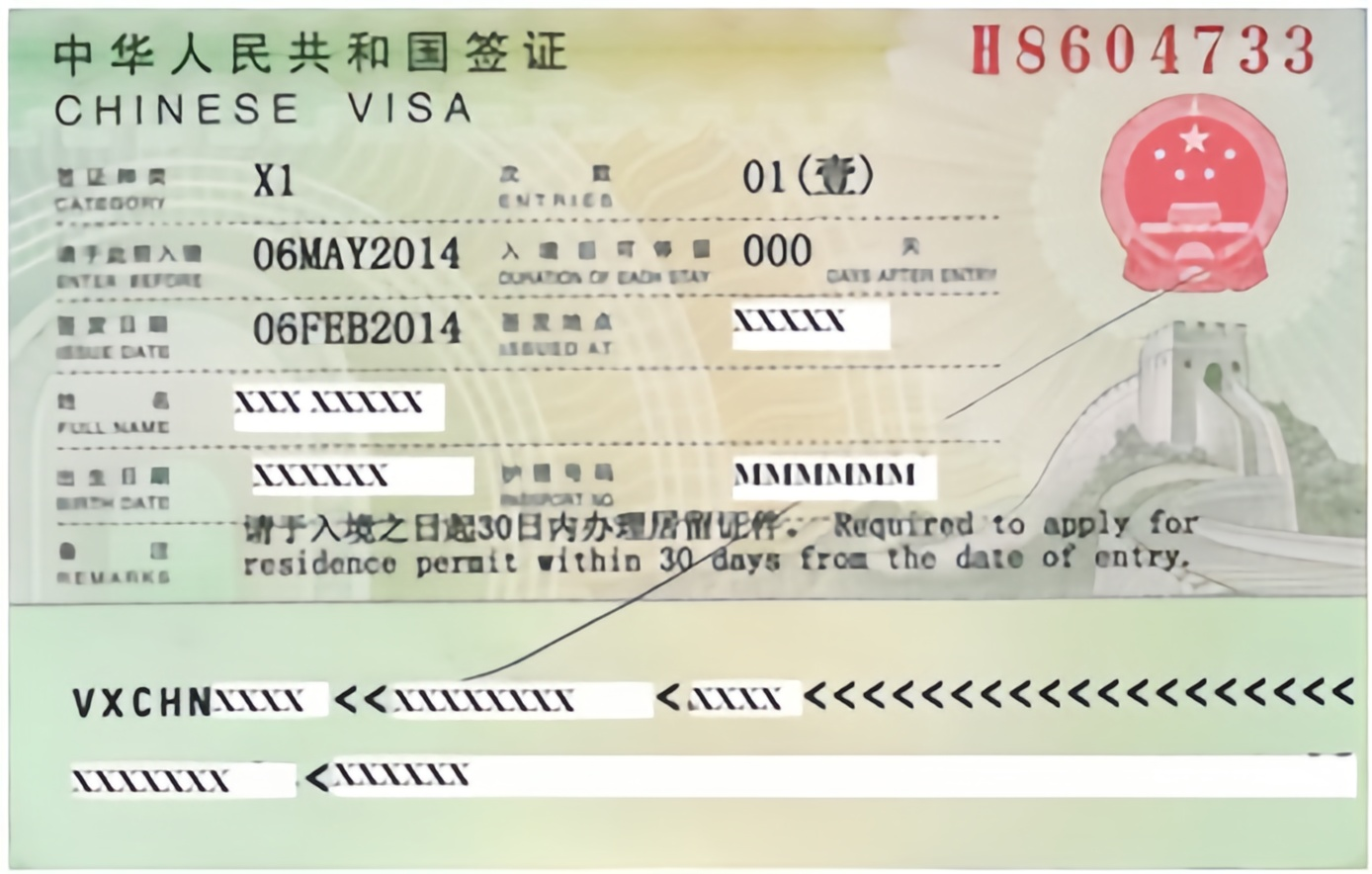
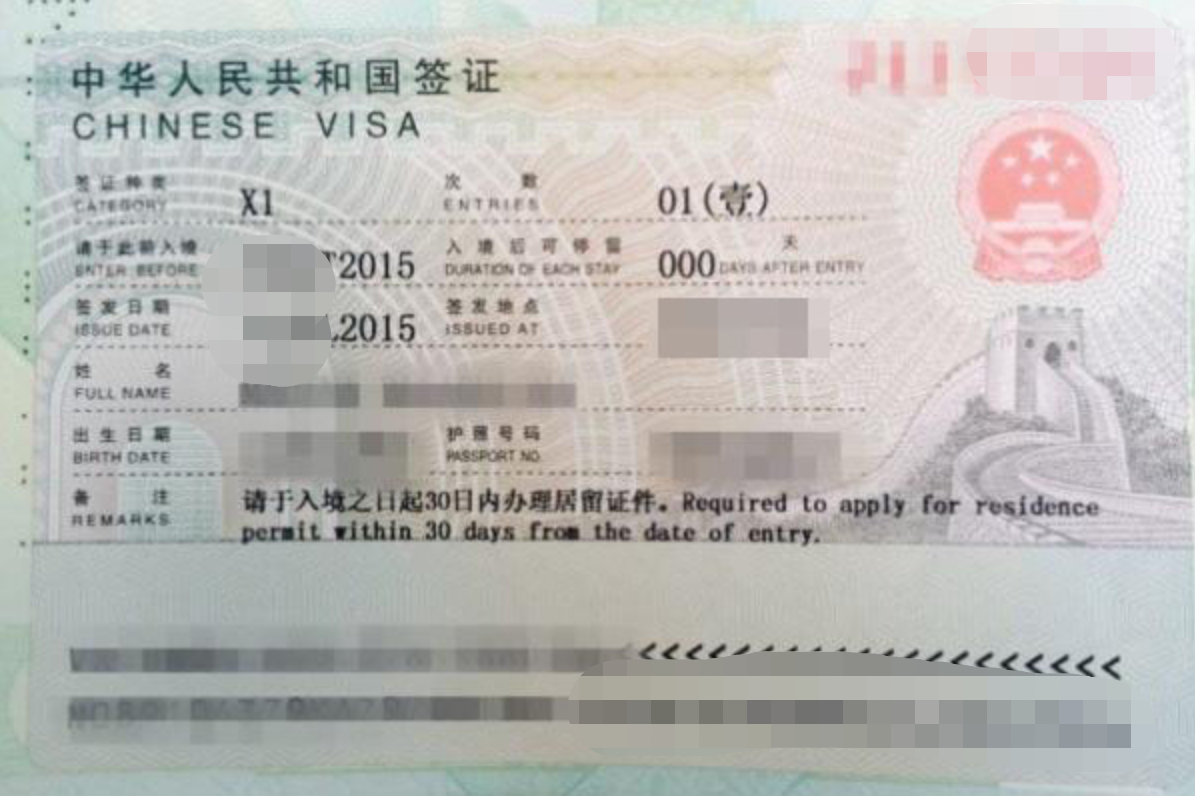
After receiving your official Admission Notice and the JW201/JW202 form, you must apply for an X1 Visa at your nearest Chinese consulate. Shanghai’s Exit-Entry Administration is very efficient, and your university’s international office will guide you through converting your visa into a Residence Permit within 30 days of arrival.
7. Will I Live on Campus or in the City?
Most universities in Shanghai provide dedicated international student dorms. However, because space is limited in a crowded city, many students choose to rent apartments in vibrant districts like Jing’an or Yangpu. If renting off-campus, ensure you have a legal contract to complete your mandatory police registration.
8. Can I Find Internships in Shanghai’s Financial District?
Shanghai is the best place in China for professional networking. With the Lujiazui Financial District and thousands of multinational headquarters nearby, students have unparalleled access to internships. Under 2026 rules, students can often obtain “Study-Work” notations on their residence permits to gain legal work experience.
9. What is the International Student Community Like?
Shanghai is arguably China’s most cosmopolitan city. You will find a diverse, multicultural student body from every continent. The campus culture is fast-paced and career-oriented, with many student-led clubs focusing on entrepreneurship, language exchange, and urban exploration.
10. Is Healthcare Accessible for Foreigners in Shanghai?
Shanghai boasts some of the best healthcare facilities in Asia. Most international students use the “International Departments” of public hospitals like Huashan Hospital, which provide English-speaking services. Your mandatory student insurance will cover most major medical expenses and emergencies.