Are you a high school student dreaming of pursuing your undergraduate degree in the heart of China? Beijing, a global hub of education, culture, and technology, is a top destination for international students. However, navigating the application process for 2026 can be complex.
From understanding the CSCA exam to securing CSC scholarships, here are the 10 most critical questions answered to help you prepare for your journey to Beijing.
1. What are the Admission Requirements for Top Beijing Universities?
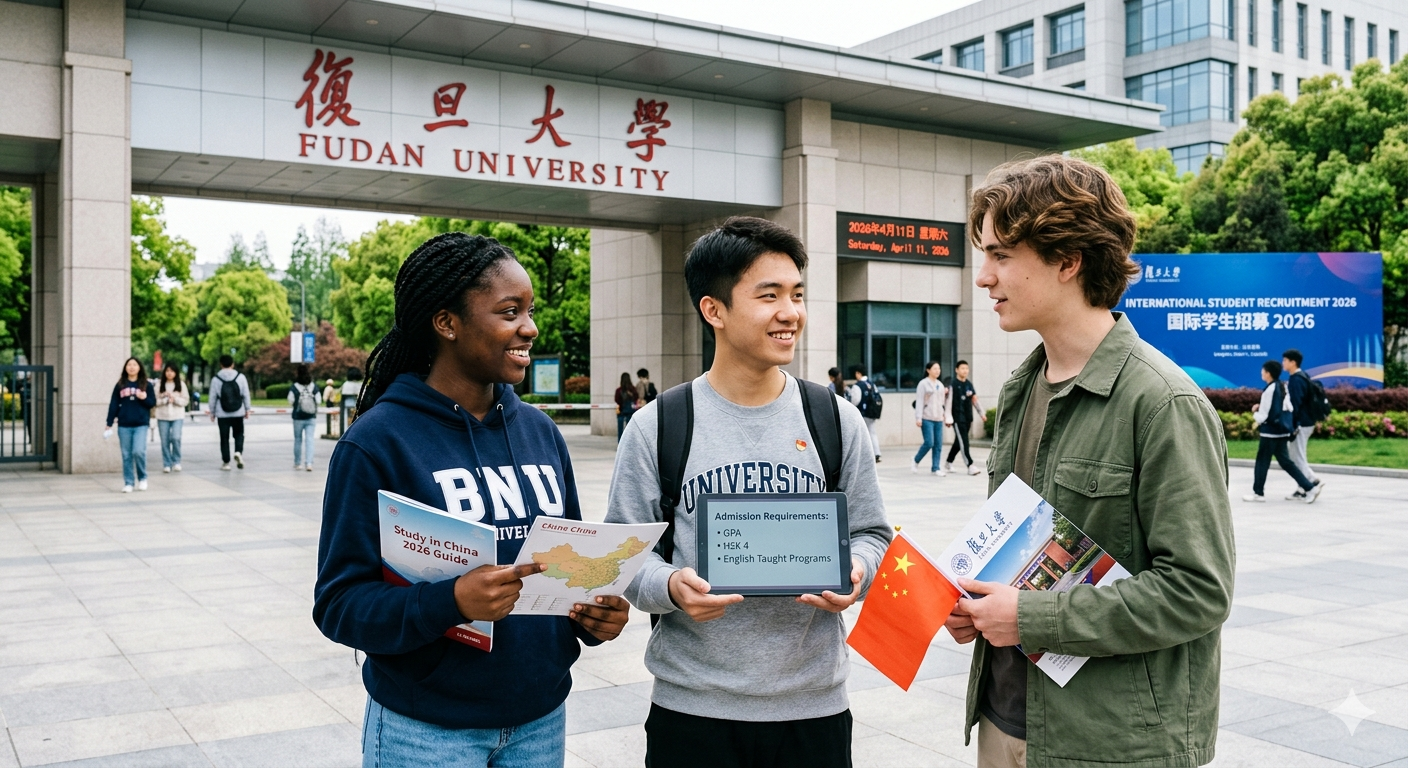
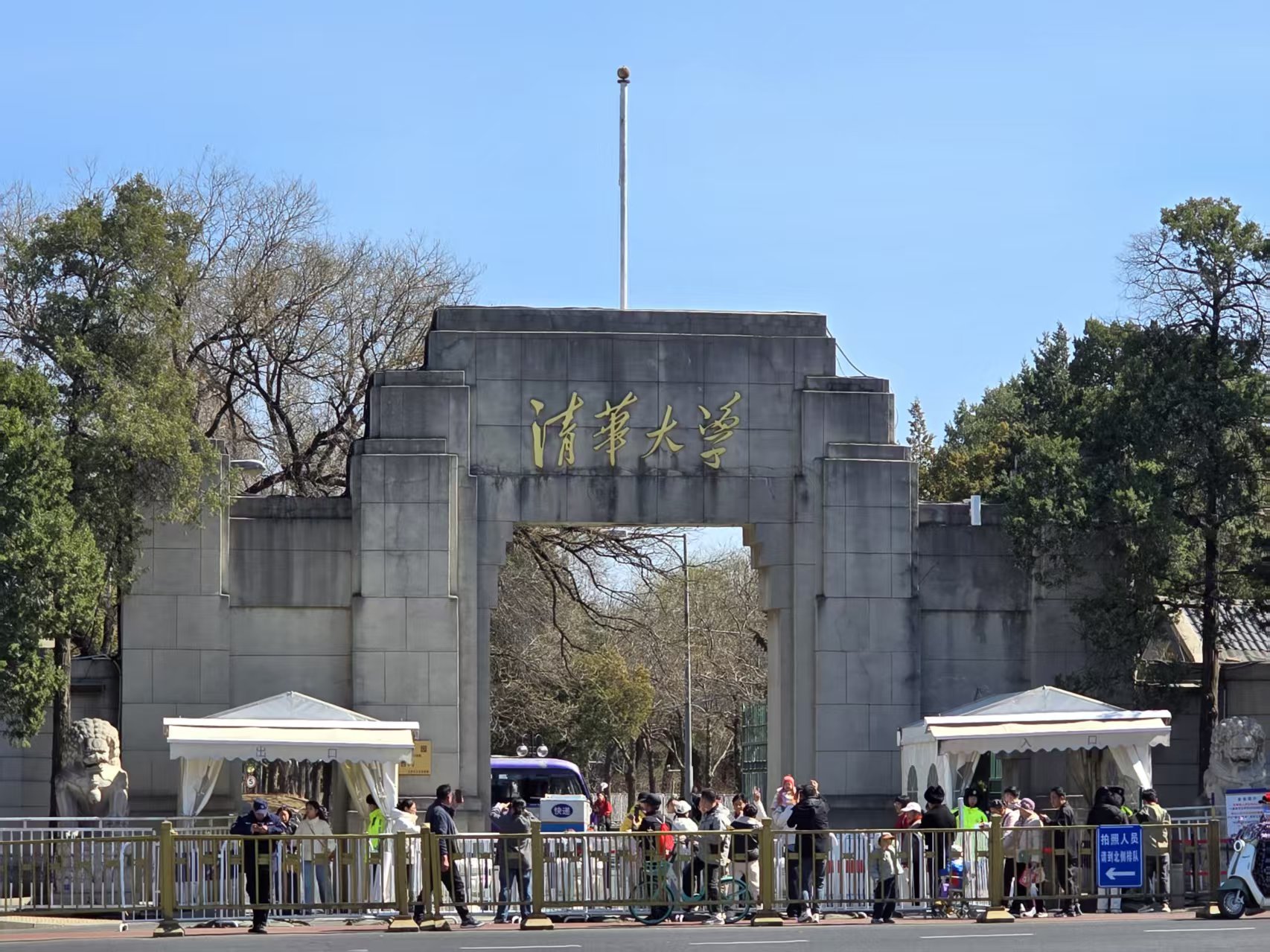
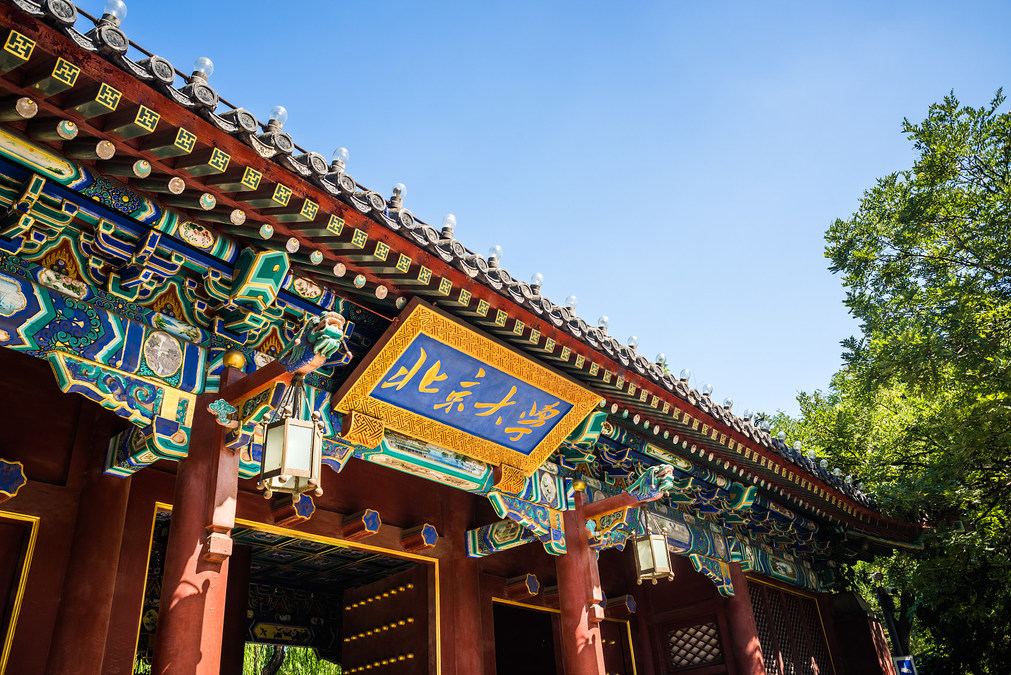
To get into prestigious institutions like Peking University (PKU) or Tsinghua University, academic excellence is a must. Generally, you need a high school diploma with a strong GPA. For Chinese-taught programs, an HSK 5 or 6 certificate is typically required, while English-taught programs require IELTS (6.5+) or TOEFL (90+) scores.
2. Are there Scholarships Available for 2026?
Yes! The most popular is the Chinese Government Scholarship (CSC), which often covers tuition, housing, and a monthly stipend. Other options include the Beijing Government Scholarship and specific university-funded grants. Competition is high, so early application (starting late 2025) is recommended.
3. Can I Study in English?
Many universities in Beijing, such as UIBE and BIT, offer high-quality English-taught bachelor’s programs in Business, Engineering, and International Relations. If your chosen major is only in Chinese, you may need to complete a one-year International Foundation Program first.
4. What is the Real Cost of Living in Beijing?
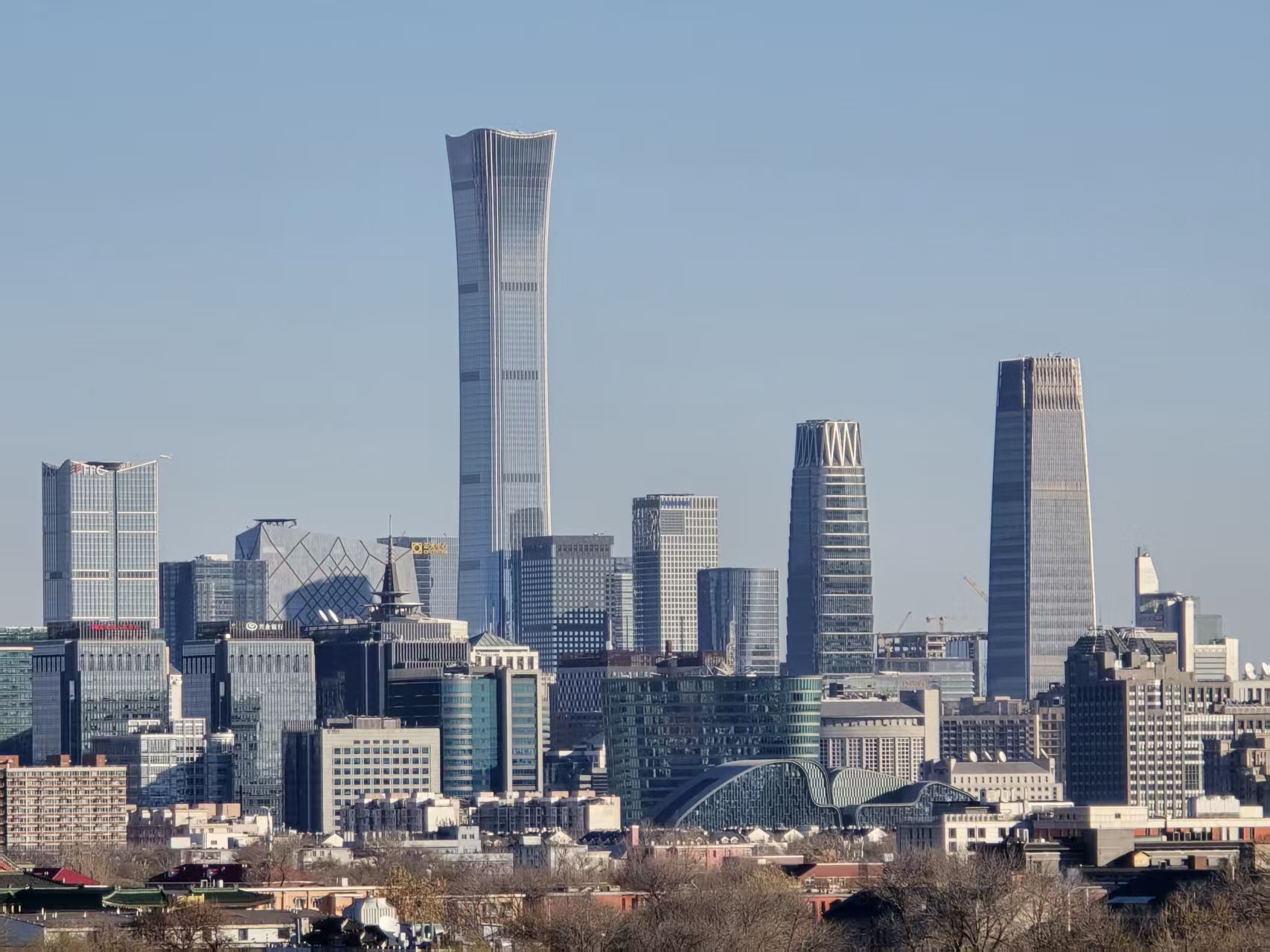
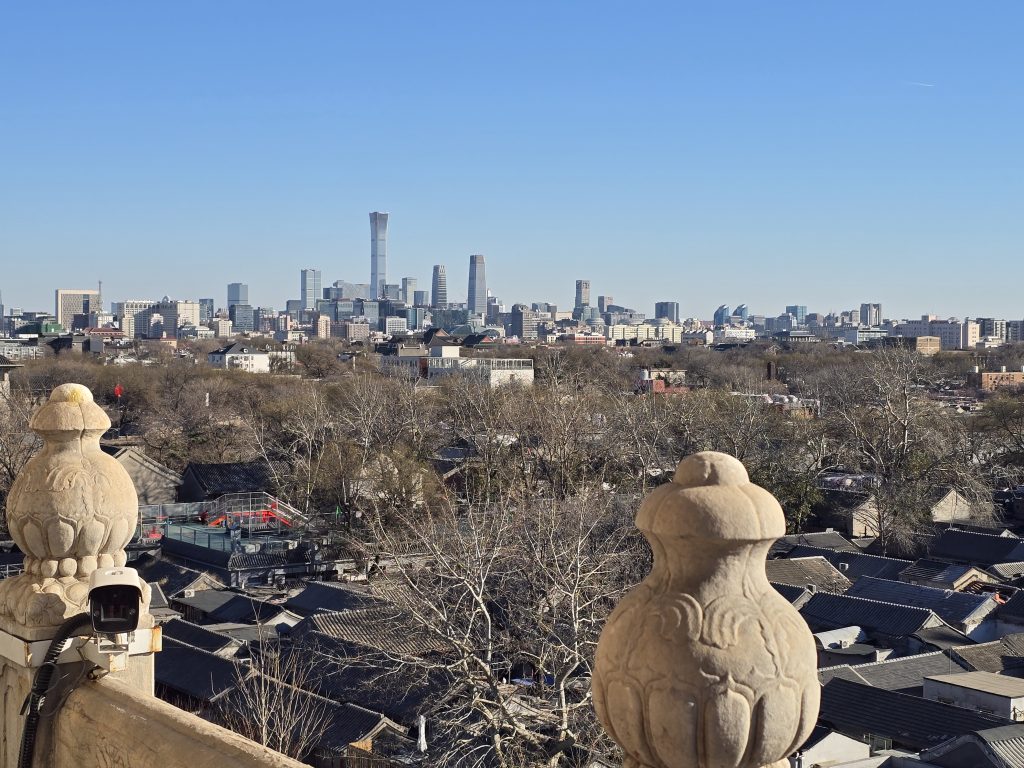
While tuition is affordable compared to the West, Beijing is one of China’s most expensive cities. In 2026, students should budget approximately $600–$1,000 USD per month for food, transport, and personal expenses, excluding tuition and off-campus rent.
5. Is the CSCA Exam Mandatory?
The China Standardized Test for College Admission (CSCA) is increasingly used by universities to evaluate international applicants. Depending on your major, you may need to take tests in Professional Chinese (Liberal Arts or Science), Mathematics, Physics, or Chemistry. Always check your target school’s 2026 prospectus for specific requirements.
6. How Do I Get a Student Visa (X1)?
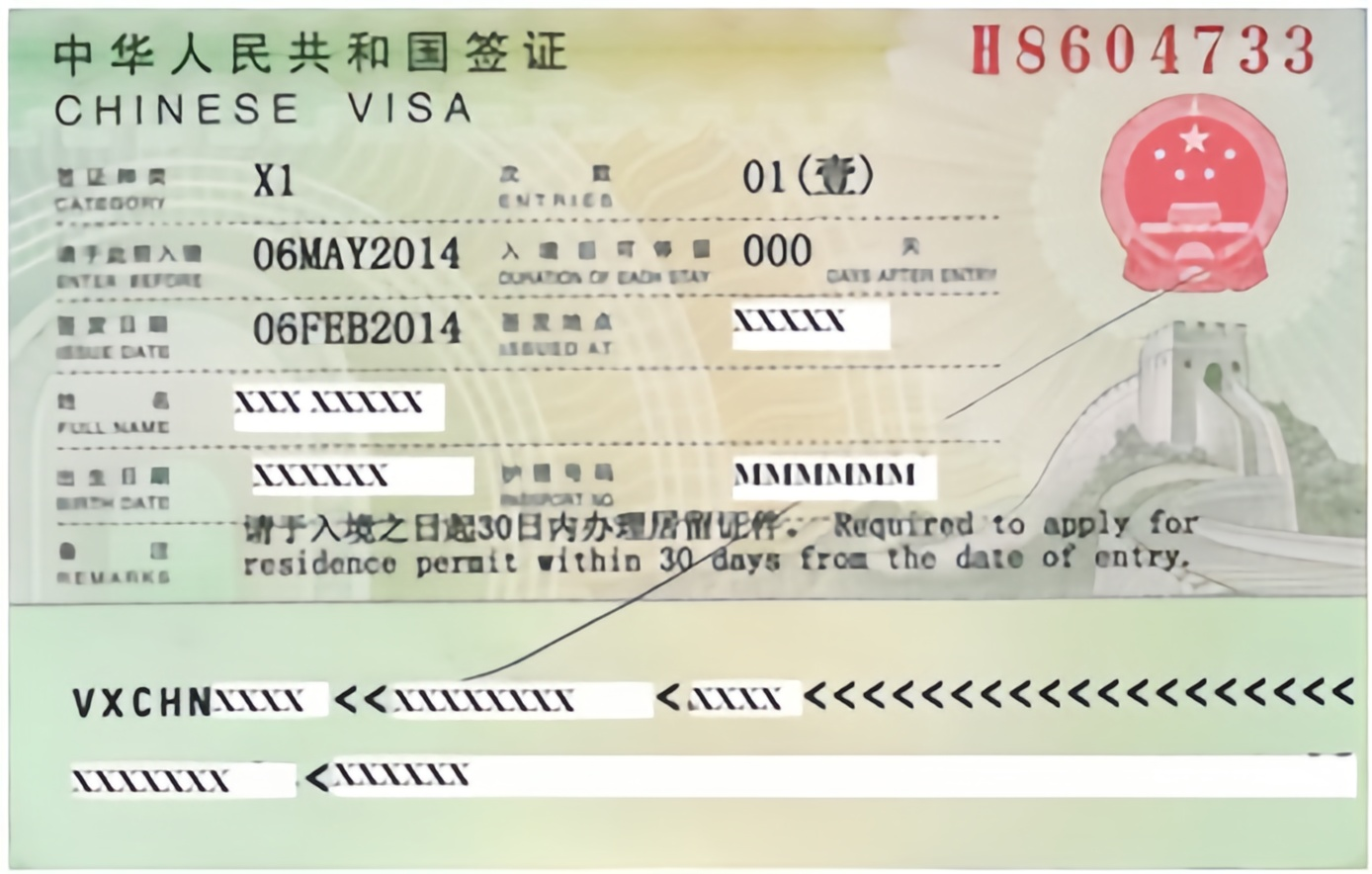
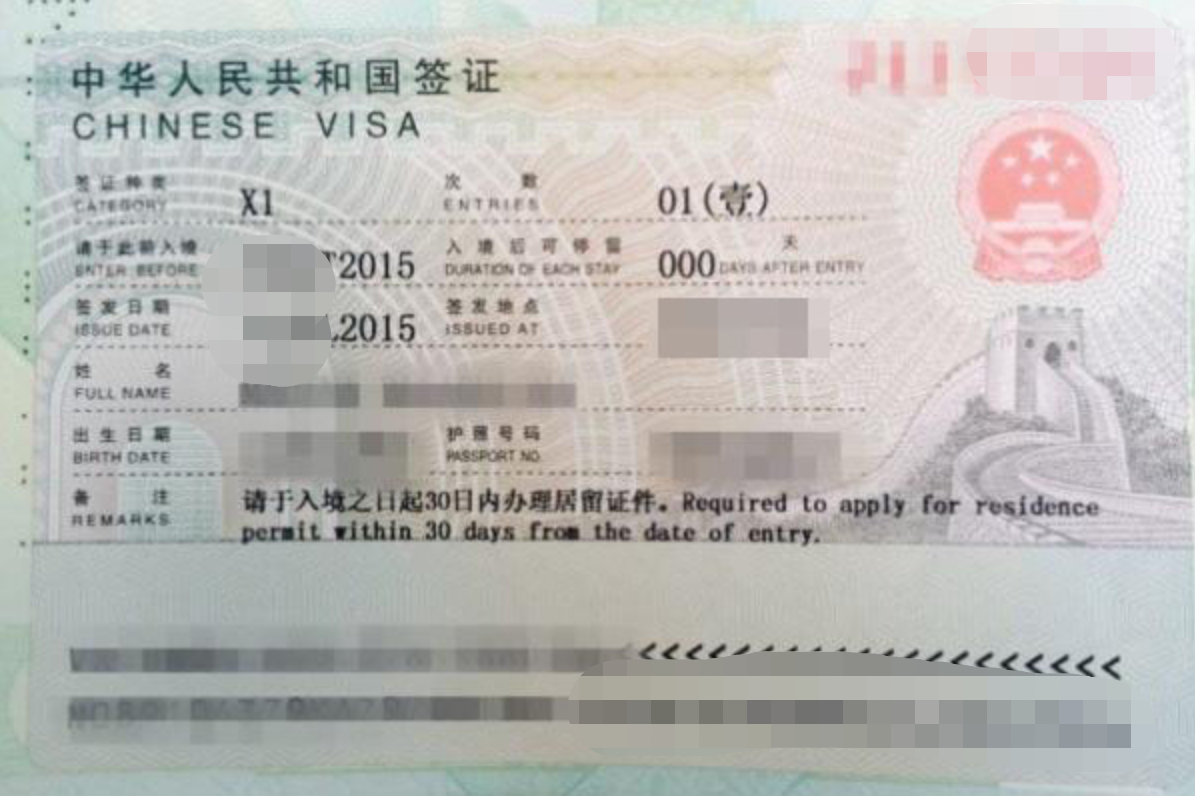
Once you receive your Admission Notice and the JW201/JW202 form, you must apply for an X1 Visa at your local Chinese embassy. Upon arrival in Beijing, you have 30 days to convert this into a Residence Permit.
7. Is On-Campus Housing Guaranteed?
Most Beijing universities offer international student dormitories, but they fill up fast. Some schools operate on a “first-come, first-served” booking system. If you plan to live off-campus, be prepared for higher costs and the need to register your address with the local police.
8. What are the Career and Internship Prospects?
Beijing is home to “China’s Silicon Valley,” Zhongguancun. Universities often have strong ties with tech giants and MNCs. Under 2026 regulations, international students with excellent academic records can often apply for part-time internships and post-graduation work permits if they find a sponsoring employer.
9. Will I Fit into the Campus Culture?
International offices in Beijing are very active. You will find student unions, sports clubs (badminton is a favorite!), and cultural festivals. Beijing is also ranked as one of the safest cities globally, with a vibrant, alcohol-free social scene focused on shared activities and technology.
10. How Does Healthcare Work for Foreign Students?
Comprehensive medical insurance is mandatory for all international students. Beijing has world-class hospitals with “International Departments” where doctors speak English, ensuring you have access to quality care if needed.